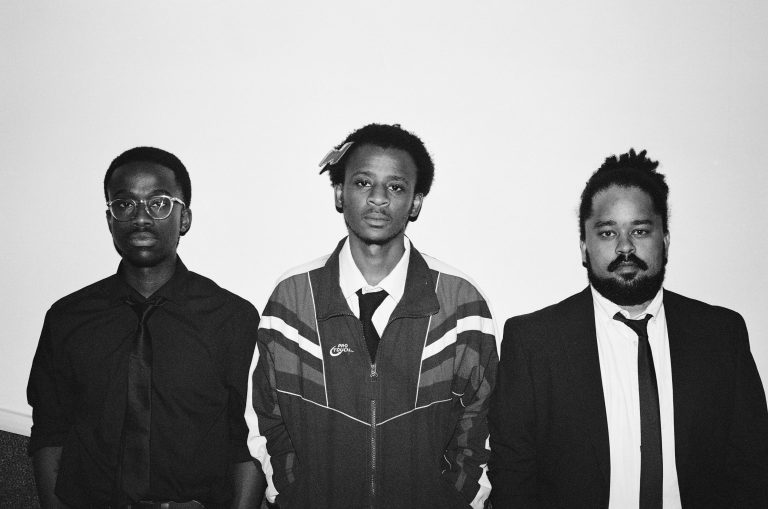
When Kristi Lowe first released a song into the world, she wasn’t thinking about airplay or playlists. She was fifteen, navigating an impossible family crisis, and music was a lifeline. Her debut single I Need More Time, written with her older sister Jenna and produced with local electronic heavyweights GoodLuck, was less of a career launch and more of a call to action — one that South Africans answered, sending the song up the iTunes charts in a matter of hours.
Last week, we laid it out for venues: if you can’t offer artists the bare minimum — working sound, working toilets, and a shred of hospitality — you’re not ready to host live music.
But this relationship goes both ways.
Cape Town’s scene only works when artists show up just as ready, equipped, and professional as the venues that host them. You want to be treated like a pro? Then act like one.
You wouldn’t invite someone over for dinner and ask them to bring the cutlery, cook their own food, and leave before dessert. Yet somehow, that’s still how too many venues treat live musicians in Cape Town.
According to a 2022 study on revenue streams for music creators in South Africa by Music in Africa, live performance makes up 36% of total monthly income for South African music creators — over R42 million per month — yet artists earn just R11 076/month from gigs on average. That’s modest pay for what’s essentially a full-time job — and it makes the basics all the more important.
There’s a certain kind of hush that falls over a beach crowd when Bongeziwe Mabandla sings — and at Feastival this past Saturday, you could feel it in your chest. Dressed in an ivory Boys of Soweto boiler suit and armed only with his guitar, Mabandla didn’t just headline — he transcended.
Right now, somewhere in Lagos, Johannesburg, or Nairobi, a kid is uploading a beat that could blow up in Berlin, London, or Paris. Meanwhile, Cape Town artists are still asking if they need to leave home to be heard. Here’s the thing: they don’t. The African music industry isn’t just having a moment – it is the moment.
It’s 7:45pm and you’re three songs into your set when a waiter drops a tray of shooters in the front row. A birthday group hoots mid-verse. You finish your song. Nobody claps. Welcome to the gig you thought was a show.
When Johannesburg’s sold-out Camomile Live series finally lands in Cape Town this June, it won’t just be another gig to fill your winter calendar. It’s the latest chapter in a much bigger experiment: What happens when an artist stops trying to fit Cape Town’s music scene and instead makes Cape Town come to him?
If your music is getting airplay, streams, or gigs – but your bank account isn’t seeing the love – you’re not alone. Welcome to the maddening maze of South Africa’s music rights organisations: SAMRO, CAPASSO, and SAMPRA.
You see the poster. You send it to your friend with a “This looks cool!” And then… nothing. No ticket bought, no commitment made. Maybe you’ll decide on the day. Maybe the weather will suck. Maybe you’re broke. Or maybe, like so many Capetonians, you’re waiting to see if “something better” pops up.
Welcome to Cape Town’s last-minute ticket culture—where hesitation isn’t just a personal habit, it’s becoming a collective obstacle to a thriving live music scene.