This piece is about a campaign, a document, and a growing movement that could meaningfully shift how live music works in Cape Town. It’s about who AHCOM are, what Our Conditions of Work sets out to do, why we’ve signed the petition — and why we think the rest of the scene should take it seriously too.
Cape Town has never had a talent problem. If anything, the opposite is true. The city is full of artists capable of holding rooms, shifting culture, and building something that feels globally relevant. What we’ve lacked — consistently — is the structure to support them. We’ve written before that creativity thrives here, but sustainable careers do not. That gap shows up in the day-to-day realities of the scene: late payments, unclear agreements, under-resourced stages, and a quiet expectation that people in music should simply make it work.
That’s the context in which the Ad Hoc Committee for Organising Musicians (AHCOM) has emerged — and why their WE DON’T PLAY! campaign matters.
What AHCOM is actually doing
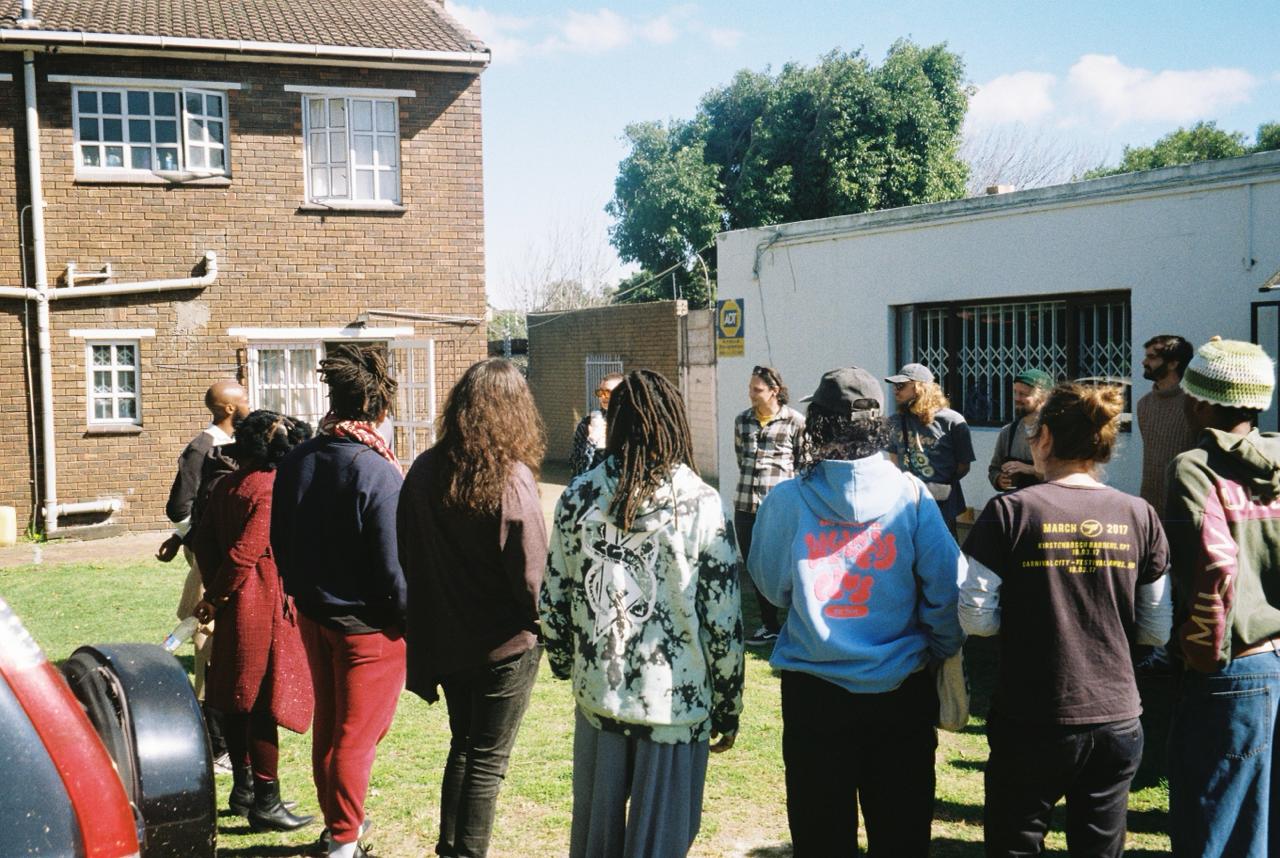
AHCOM is a collective of music workers who have come together to address the realities of working in Cape Town’s live music ecosystem. Over the course of 2025, they hosted a series of roundtable discussions under the banner Musicians and Our Work, creating space for people to share lived experiences of how the system actually functions.
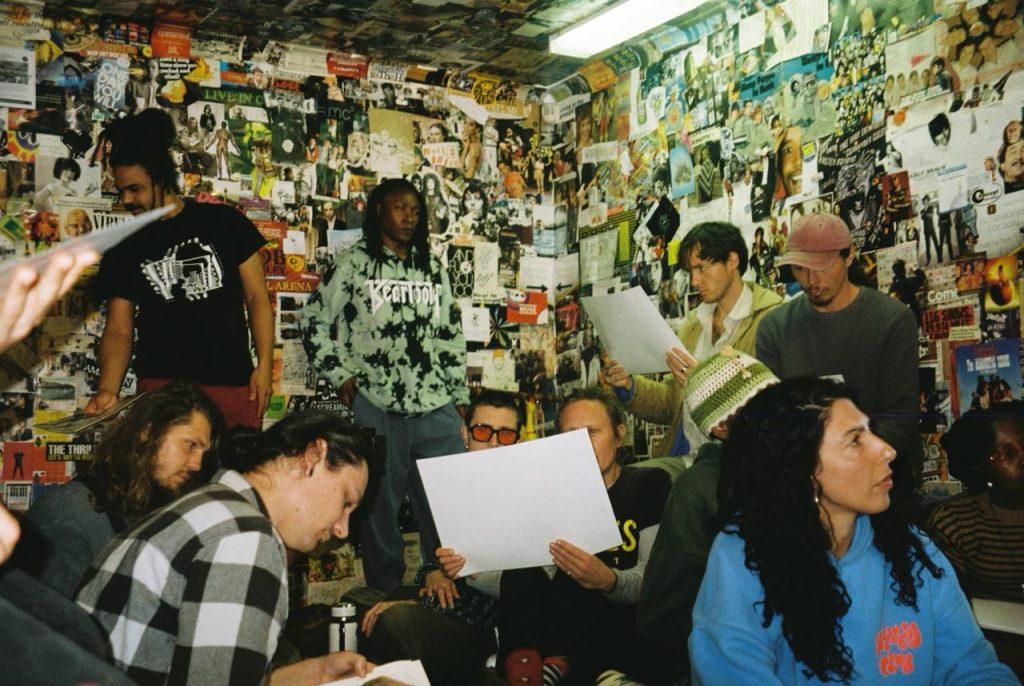
These weren’t abstract conversations. They were grounded in specifics: being underpaid, navigating vague or shifting agreements, absorbing costs that shouldn’t exist, and trying to sustain a career in a city that doesn’t consistently support it. What makes AHCOM’s approach significant is that it doesn’t stop at identifying problems — it moves toward defining solutions.
Out of that process came a single, focused outcome: Our Conditions of Work — a document that attempts to establish a baseline for what fair working conditions should look like in Cape Town’s live music economy.
What the document is really saying
At its core, the document is not radical. It is practical. It sets out minimum expectations that, in a functioning industry, would already be standard. The fact that they need to be articulated here is what gives the document its weight.
Some of the most important points include:
- Written agreements that are honoured: Moving away from informal, shifting arrangements toward clear, binding contracts
- Fair and timely payment: Payment in money — not “exposure” — and within a defined timeframe
- No hidden or transferred costs to artists: Upfront expenses and marketing should sit with promoters, not performers
- Transparency in revenue: Clear visibility on ticket sales and bar income, where relevant
- Adequate infrastructure at gigs: Functional sound, secure spaces for equipment, and a professional setup
- Basic working conditions: Water on stage, and food when artists are required to spend extended time at venues
- Clear communication throughout the process: Defined schedules, responsibilities, and expectations before and during events
Taken together, these points reinforce a simple but necessary idea: music is work. It requires labour, resources, and time — and should be treated accordingly.
Why this moment matters
What makes this moment different is not just the existence of the document, but the collective alignment behind it. Cape Town’s music scene has long been fragmented, with different pockets operating in isolation and without shared standards. That fragmentation has made it difficult to define what “fair” looks like, let alone hold anyone accountable to it.
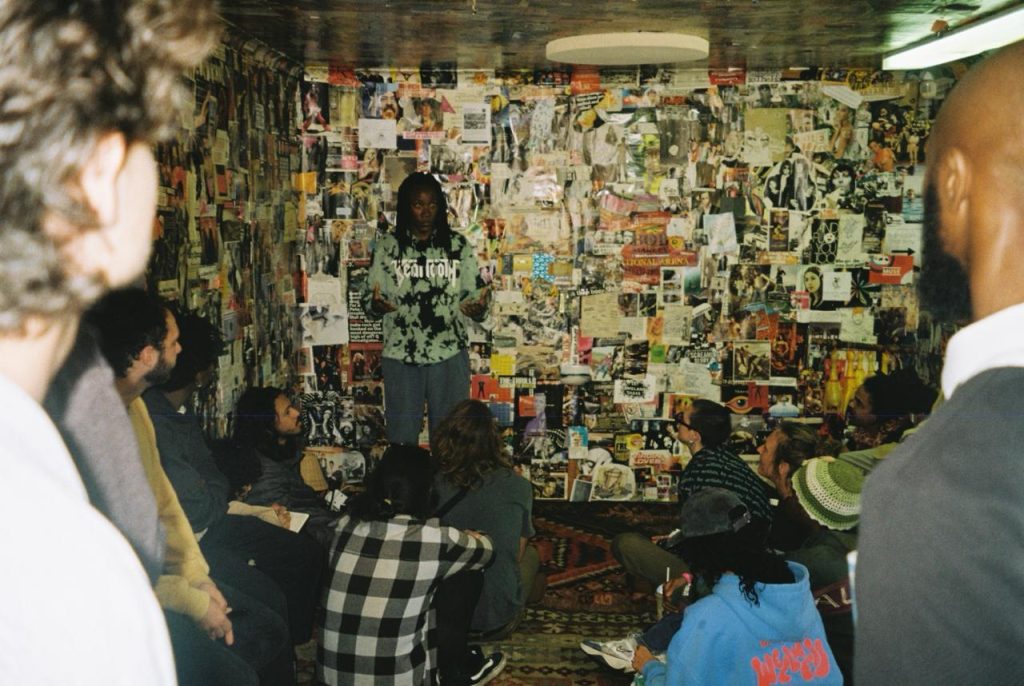
This begins to change that. By clearly outlining expectations, the document creates a reference point that the entire ecosystem can engage with. It introduces a level of visibility that has often been missing, making it easier to identify who is operating in good faith, and who is not.
That visibility matters. Over time, it creates the conditions for accountability. It allows the scene to support the people and spaces that meet these standards, while also making it possible to question — and, if necessary, move away from — those that don’t. In a city where informal practices have often gone unchallenged, that kind of clarity is powerful.
Where we stand — and what comes next
We’ve read Our Conditions of Work. We’ve signed the petition. And we stand with the intention behind both. Not because this document solves everything overnight, but because it establishes a baseline — a shared understanding of what fair work should look like in Cape Town’s live music economy.
The WE DON’T PLAY! campaign is about building momentum around that baseline. Over the coming weeks, AHCOM is asking people across the scene — musicians, promoters, venues, audiences, and supporters — to engage with the document, sign in support, share it, and show up. The campaign will culminate in a public launch event on 16 May at Guga’sthebe in Langa.
If Cape Town is serious about building a sustainable music scene, this is the kind of work that needs to be taken seriously. That includes everyone who forms part of the ecosystem, not just the people on stage, but the people behind the scenes, the people running the rooms, and the people in the crowd.
Read the document. Decide where you stand. And if it aligns with the kind of scene you want to be part of, add your name to it. Because better conditions don’t emerge by accident, they are defined, supported, and collectively upheld.