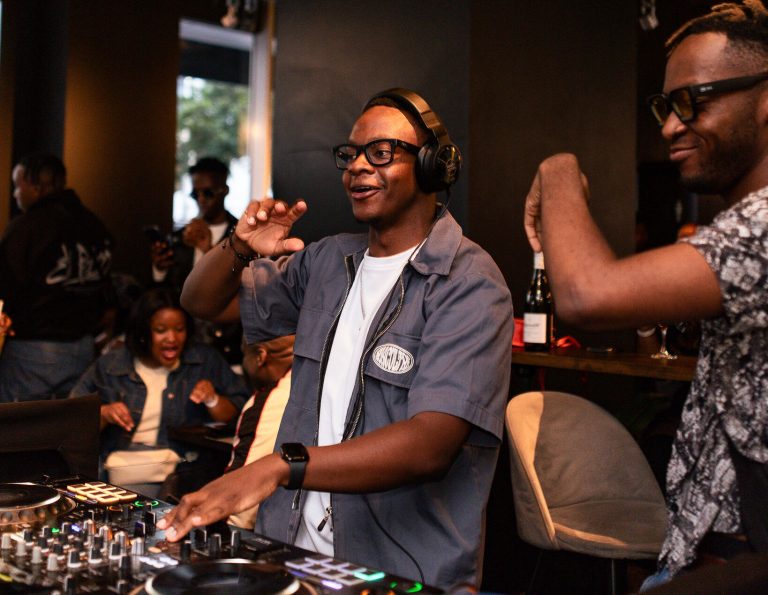
In a music economy increasingly shaped by experiences rather than recordings, the most valuable move an artist can make is no longer just releasing great work or landing prestigious bookings. It’s owning the room itself. In Cape Town, DJ and cultural operator Tashinga’s Winehouse offers a clear case study in what happens when an artist stops being a line item on someone else’s poster and starts building an asset that speaks directly to who they are.
It starts quietly: a few artists pulling their catalogues, a few more muttering about payouts and principles. But lately, the volume has risen. From…
In recent years, many musicians and fans have questioned whether jazz still carries the same political charge it once did. For Cape Town’s seven-piece…
A few years ago, landing a track on RapCaviar was akin to winning the lottery. Today, the same placement feels closer to a consolation…
For a few hours on the evening of the first Thursday of September, Cape Town’s music scene witnessed a shift. When Aloe Aloe and…
It’s tempting to start this piece with “despite the odds” or “against the grain.” But let’s not. Because here’s the truth: femme-presenting artists in…
It was a simple question, but the answer sparked a storm. When DJ Speedsta asked Cape Town-born rapper K.Keed to freestyle live on his…
When Nasty C announced the relaunch of Tall Racks as a digital platform for independent artists about a week ago, it landed with real…
Creativity thrives here, creative careers do not. Can we begin taking steps to build the music industry that Cape Town needs?
