
A band like Face Jackson was never going to bow out quietly. One of the first bands featured on Let’s Get Local, their farewell gig was a full-throttle farewell to eleven years of music between best friends.
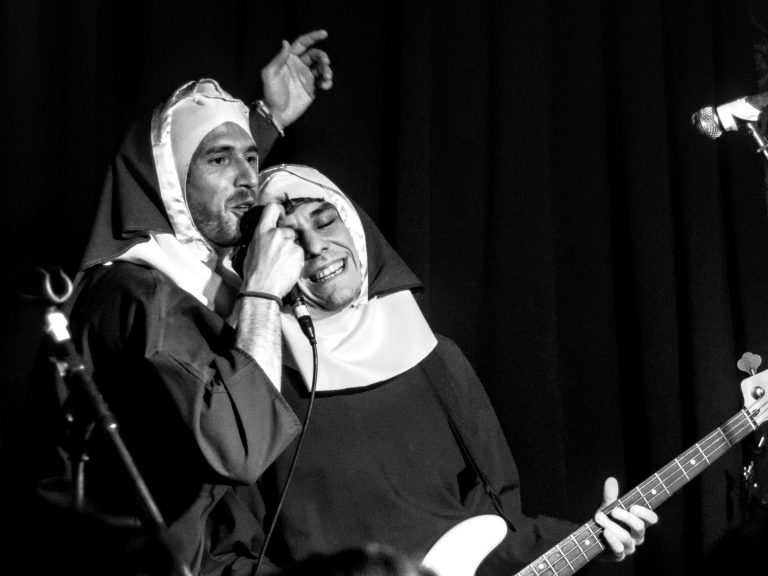
A band like Face Jackson was never going to bow out quietly. One of the first bands featured on Let’s Get Local, their farewell gig was a full-throttle farewell to eleven years of music between best friends.
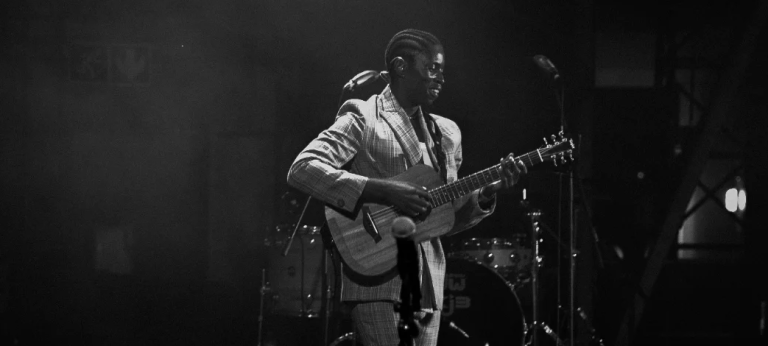
There’s a certain kind of hush that falls over a beach crowd when Bongeziwe Mabandla sings — and at Feastival this past Saturday, you could feel it in your chest. Dressed in an ivory Boys of Soweto boiler suit and armed only with his guitar, Mabandla didn’t just headline — he transcended.
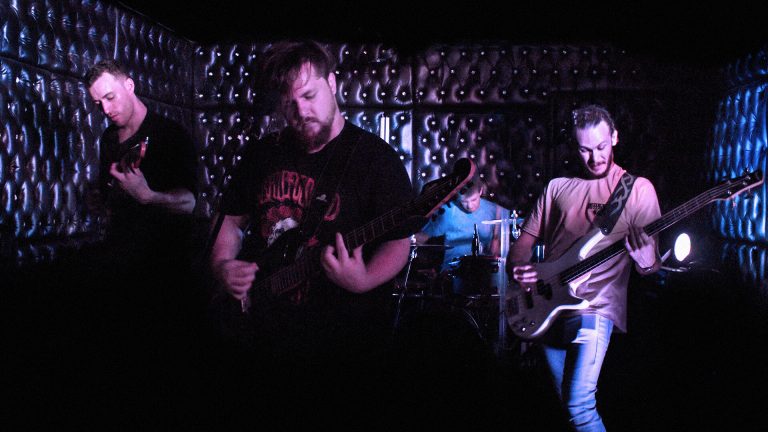
Cape Town winters can be brutal — cold, wet, and all too good at convincing you to stay home. But the lineup on 23 May made a persuasive counterargument: layer up, step out, feel something loud. From the moment you walked into District, there was a charge in the air — not just from the hum of amps warming up, but from the crowd itself. A room full of faces, both familiar and unfamiliar, pulled together by the gravitational force of live sound. It was intimate. It was electric. It mattered.
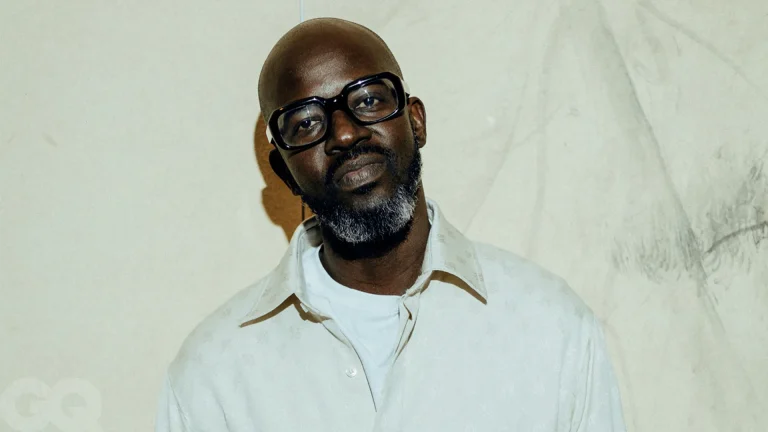
Right now, somewhere in Lagos, Johannesburg, or Nairobi, a kid is uploading a beat that could blow up in Berlin, London, or Paris. Meanwhile, Cape Town artists are still asking if they need to leave home to be heard. Here’s the thing: they don’t. The African music industry isn’t just having a moment – it is the moment.
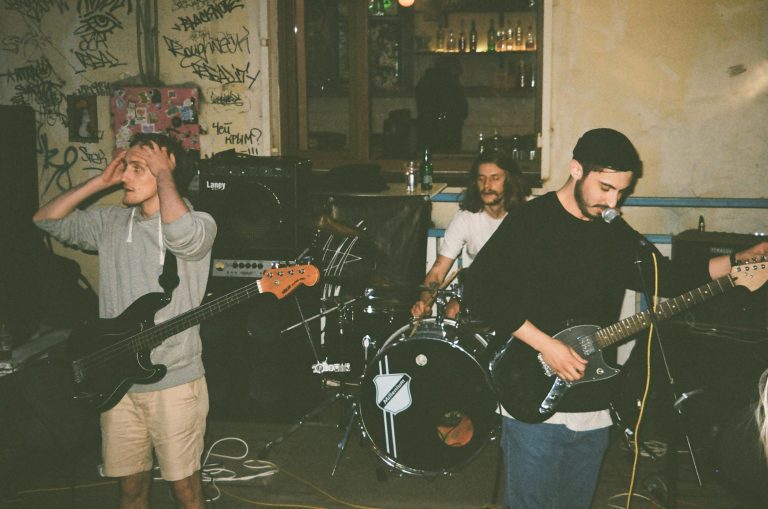
It’s 7:45pm and you’re three songs into your set when a waiter drops a tray of shooters in the front row. A birthday group hoots mid-verse. You finish your song. Nobody claps. Welcome to the gig you thought was a show.
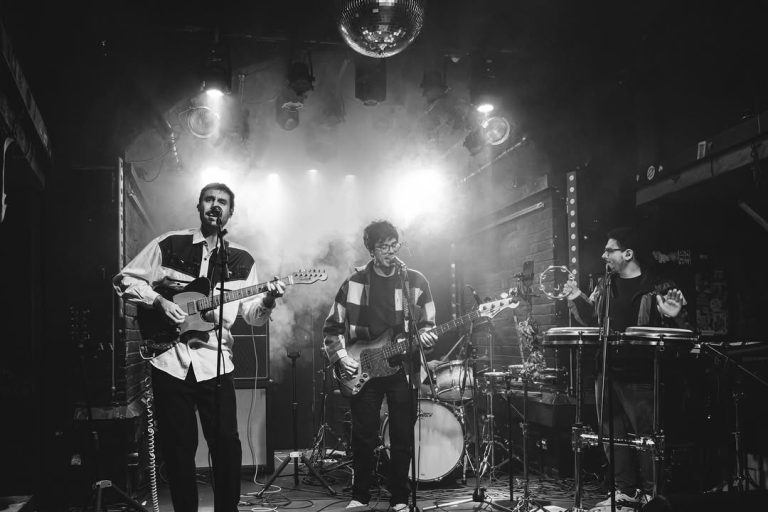
If a band delivers a world-class set to a crowd that could comfortably fit in your lounge, does it still count? At Trenchtown on Friday night, Brazilian groove-masters Blue Mar didn’t just count—they converted, turning a modest turnout into a masterclass in musical joy.

When Johannesburg’s sold-out Camomile Live series finally lands in Cape Town this June, it won’t just be another gig to fill your winter calendar. It’s the latest chapter in a much bigger experiment: What happens when an artist stops trying to fit Cape Town’s music scene and instead makes Cape Town come to him?

Imagine being in debt for a festival ticket. That’s the reality now; we’re buying vibes on lay-by and financing joy like it’s a washing machine. This is the reality for many South Africans who’ve started financing not just essentials, but enjoyment. In Cape Town, with its skyline of rising costs and shrinking dreams, even a night of music comes with a payment plan.

You see the poster. You send it to your friend with a “This looks cool!” And then… nothing. No ticket bought, no commitment made. Maybe you’ll decide on the day. Maybe the weather will suck. Maybe you’re broke. Or maybe, like so many Capetonians, you’re waiting to see if “something better” pops up.
Welcome to Cape Town’s last-minute ticket culture—where hesitation isn’t just a personal habit, it’s becoming a collective obstacle to a thriving live music scene.
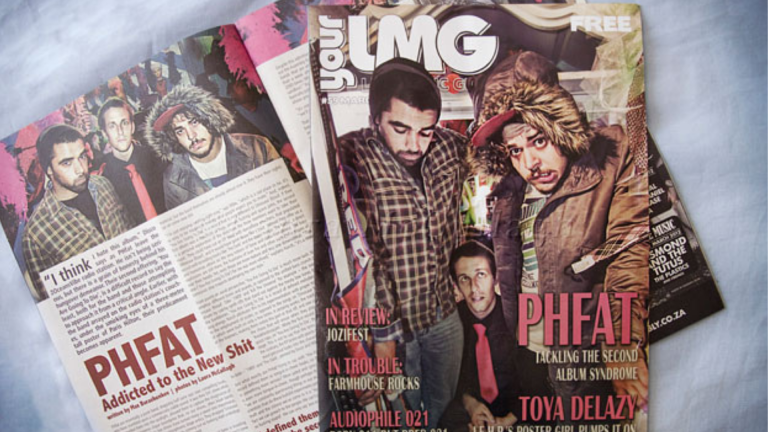
Every album is “a triumph.” Every gig “an unforgettable night.” If you read most music journalism today, you’d be forgiven for thinking we’re living through a golden age of perfection. But we’re not—we’re just not being honest. Music journalism has gotten too soft, and it’s failing the very people it’s meant to serve.