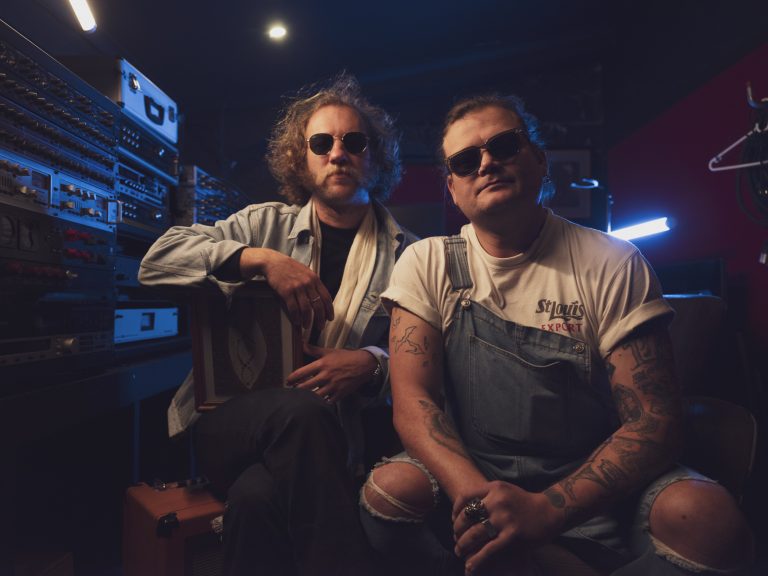
There is a particular kind of advice that gets handed to emerging artists in Cape Town when a brand finally comes knocking. Soften the edges. Be easier to work with. Make yourself more palatable. It is well-meaning, and it is almost always wrong.
Cape Town doesn’t get a steady stream of international tours. It comes in waves.
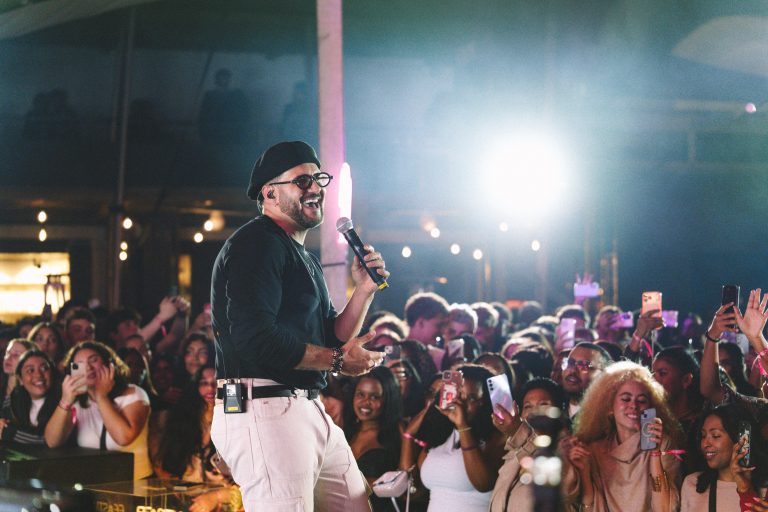
A few quiet months. Then suddenly: a cluster. A venue locked in. A genre moment. A reminder that while the city is still figuring out how to sustain its own music economy, it can still pull serious global names when the system aligns.
Here’s every international artist currently confirmed for Cape Town across 2026 (and what each booking actually says about the city right now).
This piece is about a campaign, a document, and a growing movement that could meaningfully shift how live music works in Cape Town. It’s about who AHCOM are, what Our Conditions of Work sets out to do, why we’ve signed the petition — and why we think the rest of the scene should take it seriously too.
There’s a version of event production that most of us have quietly accepted as the norm: book a venue, stack a lineup, open the doors, hope the energy takes care of itself. It works often enough. But it also means that when something genuinely considered comes along — when an event treats the entire experience as the creative work, not just the music — you feel the difference before the first act even starts.
Kiss Kiss was that difference.
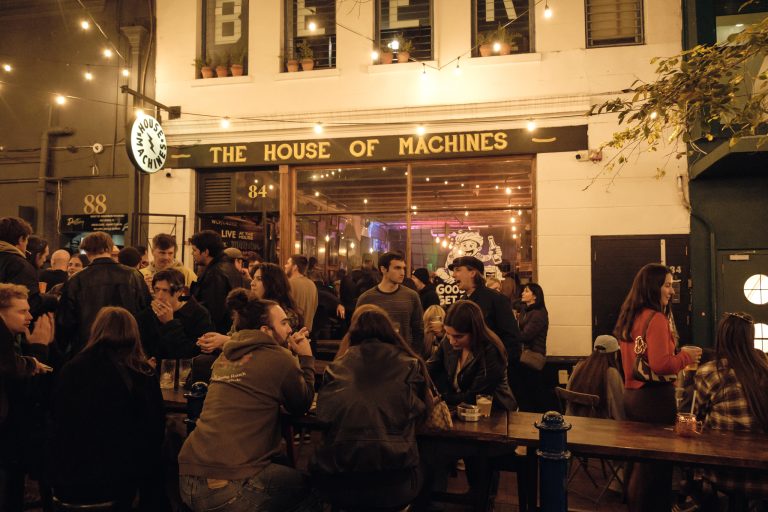
If you’ve spent any time in Cape Town’s live music circles over the past few years, you’ve probably ended up at 35 Loop Street. The KAYA Café — now operating as KAYA HQ — has quietly become one of the most consistent launchpads for emerging talent in the city. Not through hype or algorithmic positioning, but through something far less glamorous and far more valuable: showing up, night after night, with intentional lineups and a genuine respect for the artists on stage.
For all the scale and prestige that comes with the Cape Town International Jazz Festival (CTIJF), what stayed with us most this year was something more fundamental. It was the love in the room for live music played by actual people, in real time, on actual instruments. Not as nostalgia. Not as a niche concern. As something alive, urgent, and worth gathering for.
There’s a particular kind of artist South African house music produces every few years. Not always the loudest in the room, nor the name pushed hardest on a lineup, but the kind whose presence feels inevitable in hindsight — as if the music has been preparing audiences for them long before the moment arrives.
For Sió, 2026 is shaping up as that year.
Cape Town loves music in a way that’s hard to argue with: you can feel it in the pockets of live performance that keep multiplying, in the crowds that show up when something is truly special, and in the sheer range of sounds that can exist in the same weekend. We’re a city of musicians, listeners, and cultural operators who know how to make something happen — even when conditions aren’t perfect.
There’s a particular kind of artist Cape Town produces every few years. Not the loudest in the room. But the kind whose growth feels inevitable in hindsight — as if each stage was simply waiting for them to arrive.
For Jabulile Majola, 2026 is shaping up as that year.