Author

Alexander Brand

Browsing

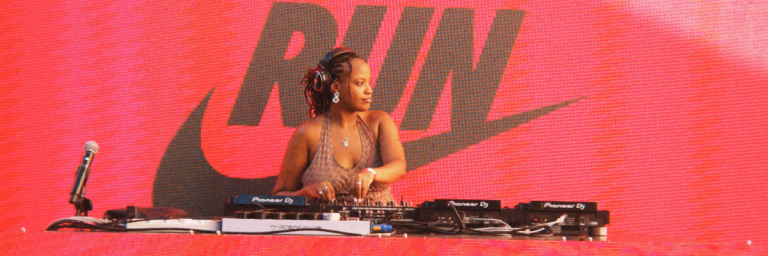
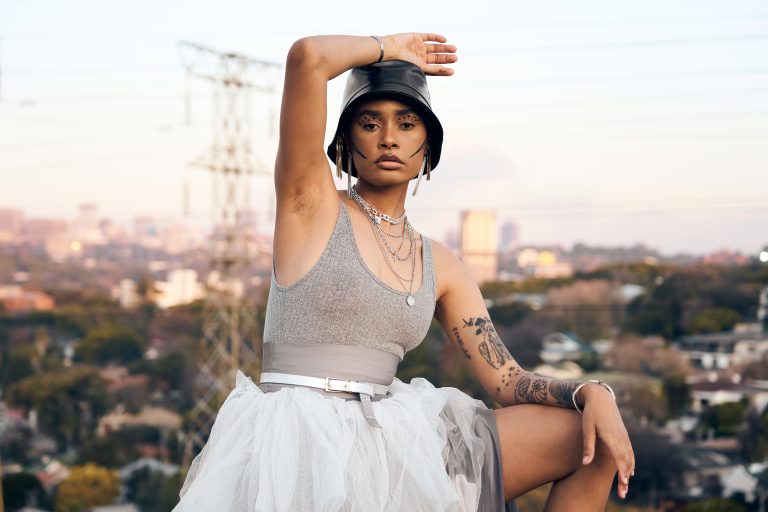
Most Cape Town DJs come up through club culture. Tshegofatso Kwele (DJ name Kwele) came up through a piano. Before the decks, before the residencies people build their names on, there were drum lessons and a guitar she taught herself, and years of reaching for whatever instrument was closest. That grounding is the thing that separates what she does now from the crowded field of emerging selectors.

The Cape Town eight-piece built a devoted live following long before they released a note. Their debut single, recorded at Concept Records, is less a beginning than a record of everything that came before it.

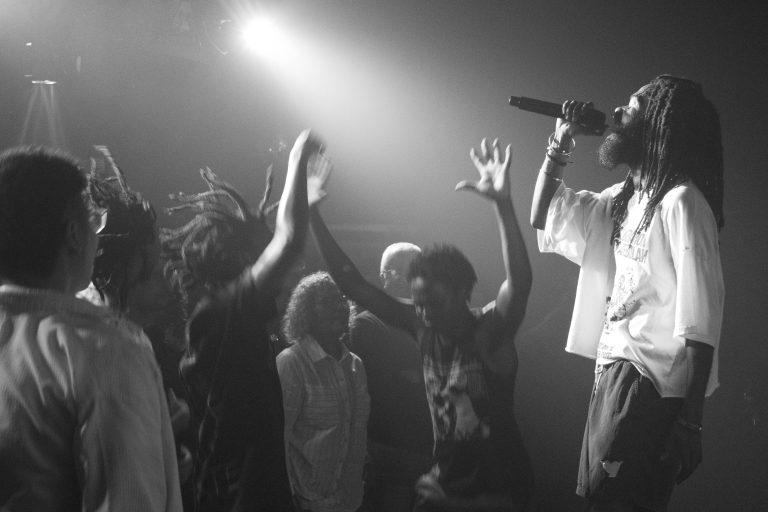
There is a way most emerging acts arrive: a single first, an audience hopefully after. Operation Khataza did it backwards. The Cape Town eight-piece—Sanele Blaai (founder and frontman, performing as uFarrah Khataza) on lead vocals, Jarryd “Chuckie” Alexander on bass, Vuyo Nkasawe on keys, Timothy Fortes on drums, Benji Anstey on lead guitar, Fabian Arries Selote on spoken word, and Lois Flandorp and Mariana “MANA” del Carmen on vocals—has for close to three years been a fixture of the city’s underground rooms: mosh pits, sing-alongs, a crowd that knows the words, without a proper studio release to point to.

Writing about VERVE Magazine turning two is strange in the best possible way. On paper, they are technically a competitor. They cover the same city, move through many of the same rooms, and care about many of the same artists. But Cape Town’s music scene is not exactly overrun with thoughtful, independent platforms doing the work properly. When another publication makes it two years in this space with genuine care, consistency and taste, the response should not be insecurity. It should be respect.

And VERVE has earned that.

There’s a particular kind of artist South African house music produces every few years. Not always the loudest in the room, nor the name pushed hardest on a lineup, but the kind whose presence feels inevitable in hindsight — as if the music has been preparing audiences for them long before the moment arrives.

For Sió, 2026 is shaping up as that year.

Cape Town loves music in a way that’s hard to argue with: you can feel it in the pockets of live performance that keep multiplying, in the crowds that show up when something is truly special, and in the sheer range of sounds that can exist in the same weekend. We’re a city of musicians, listeners, and cultural operators who know how to make something happen — even when conditions aren’t perfect.

It’s not easy to go back. Especially when “back” isn’t a place but a version of yourself you’ve outgrown. For bassist and composer Benjamin Jephta, revisiting his debut album ten years later wasn’t about nostalgia — it was about truth-telling. Homecoming Revisited, released on 19 September 2025, doesn’t try to reconstruct 2015. It listens to it from the other side of a decade — one that’s taken Jephta from the Cape Flats to Berklee, to stages around the world, and back to the South African jazz community that raised him.

In recent years, many musicians and fans have questioned whether jazz still carries the same political charge it once did. For Cape Town’s seven-piece collective Kujenga, those tensions pulse beneath every note of their new EP, Common Ground, a record that insists jazz — or what they call “Black Improvised Music” — still carries a responsibility to the times we live in.

Walk into the basement of The Athletic Club & Social any night from a Wednesday to a Saturday, and you’ll find a crowd that looks more like a Boiler Room audience than your grandpa’s jazz club. Young people hunched over Negronis, heads nodding, bodies swaying, fully locked in. This is jazz—but not as the world once knew it. This is jazz with an edge, a bounce, a future. Welcome to Cape Town: one of the new jazz capitals of Africa and the world that, frankly, has been carrying the spirit all along.