For all the scale and prestige that comes with the Cape Town International Jazz Festival (CTIJF), what stayed with us most this year was something more fundamental. It was the love in the room for live music played by actual people, in real time, on actual instruments. Not as nostalgia. Not as a niche concern. As something alive, urgent, and worth gathering for.
That felt especially striking this year. There’s a noticeable shift in how music is being made and consumed — faster, more processed, often detached from the moment it was created. What CTIJF reminded us of is how different things feel when the music is happening right in front of you. You could see the decisions being made in front of you: a drummer stretching a phrase, a bassist locking into something unexpected, a band finding its pocket and sitting in it just a little longer. And the crowd wasn’t waiting for something more familiar to arrive. They were right there with it.
That is what made this year’s festival feel so moving. Again and again, audiences showed just how much appetite still exists for live instrumentation, even when there were no vocals to guide the emotional arc. In many rooms, the loudest reaction was not for a sing-along moment or a familiar lyric. It was for a band locking into a groove, a drummer stretching time, a keyboardist opening up harmonic space, a saxophone line cutting through the room at exactly the right moment.
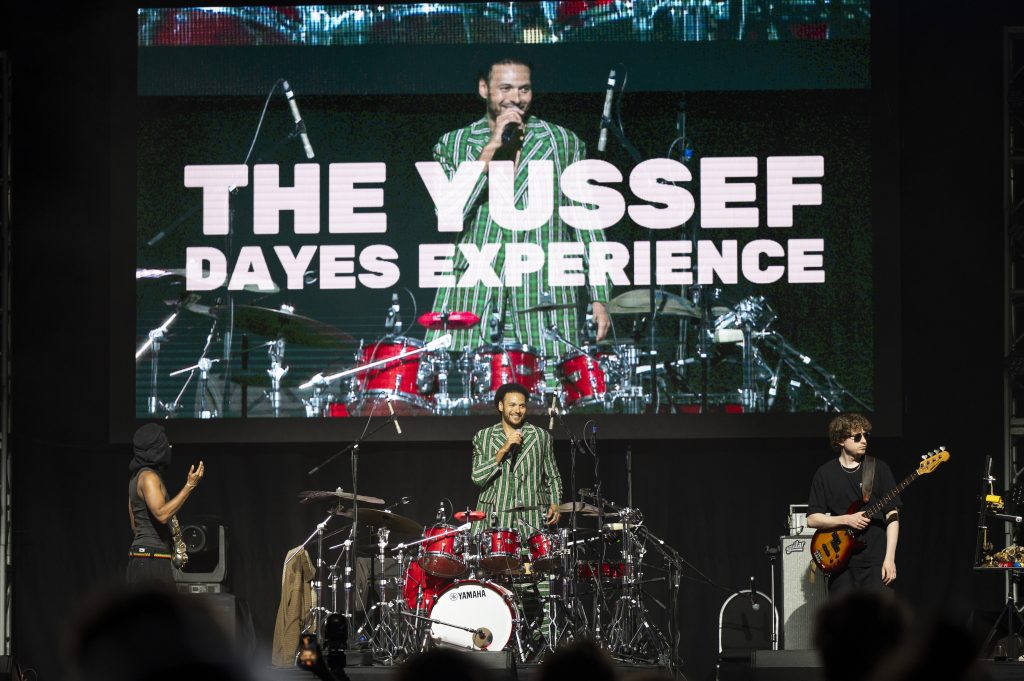
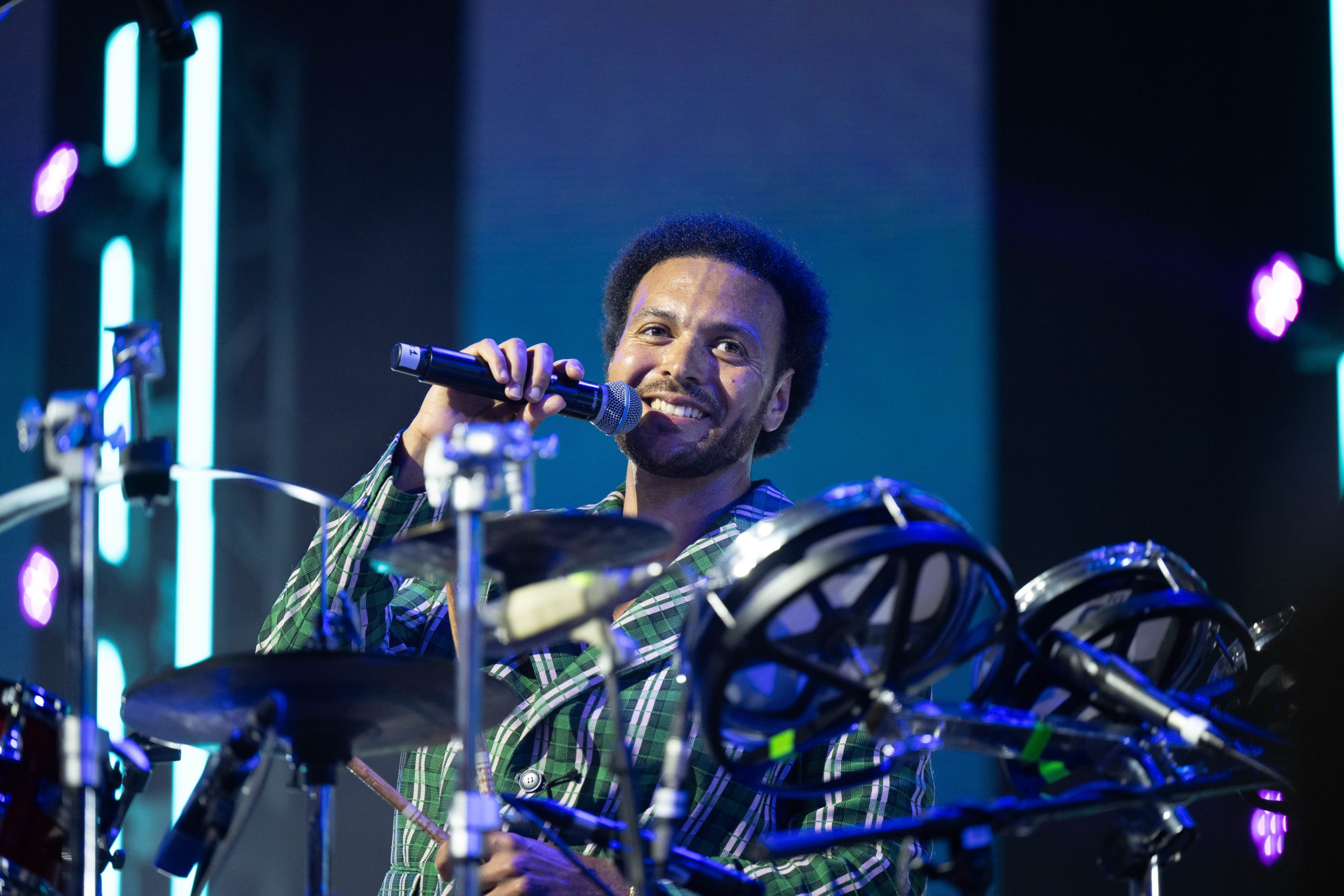
The clearest example of that for us was The Yussef Dayes Experience. There are bigger pop-facing names one could point to when talking about festival excitement, but few sets captured the weekend’s deeper spirit more completely than this one. Here was a headliner built around musicianship in its purest form: Yussef Dayes on drums, joined by his bass player, keyboard player, saxophonist, and percussionist. For most of the performance, there were no vocals at all. And it did not matter. The room was fully with them.
That matters because, on paper, a largely vocal-free headline performance should perhaps read as a tougher sell in a festival environment. In reality, people were giddy to be there. You could feel it before they even fully settled into the set. There was a palpable hunger for the kind of playing Yussef and his band delivered: rhythmic, expansive, technical, but never cold. The performance did not ask the audience to lower their expectations because there was no frontperson carrying the emotional load through lyrics. It asked them to listen differently, and they rose to that invitation. By the time the Thanda Choir joined for the final stretch, the set had already made its point. Live instrumentation was not some secondary pleasure on the sidelines of the weekend. It was central to the weekend’s emotional force.
What made that set land even harder was the humility surrounding it. Yussef Dayes and his band carried themselves with remarkable warmth and self-effacement. For artists of that stature to move through the space so graciously only deepened the sense that this was about the music first. There was no overinflated distance between artist and environment. Just deep craft, offered generously.
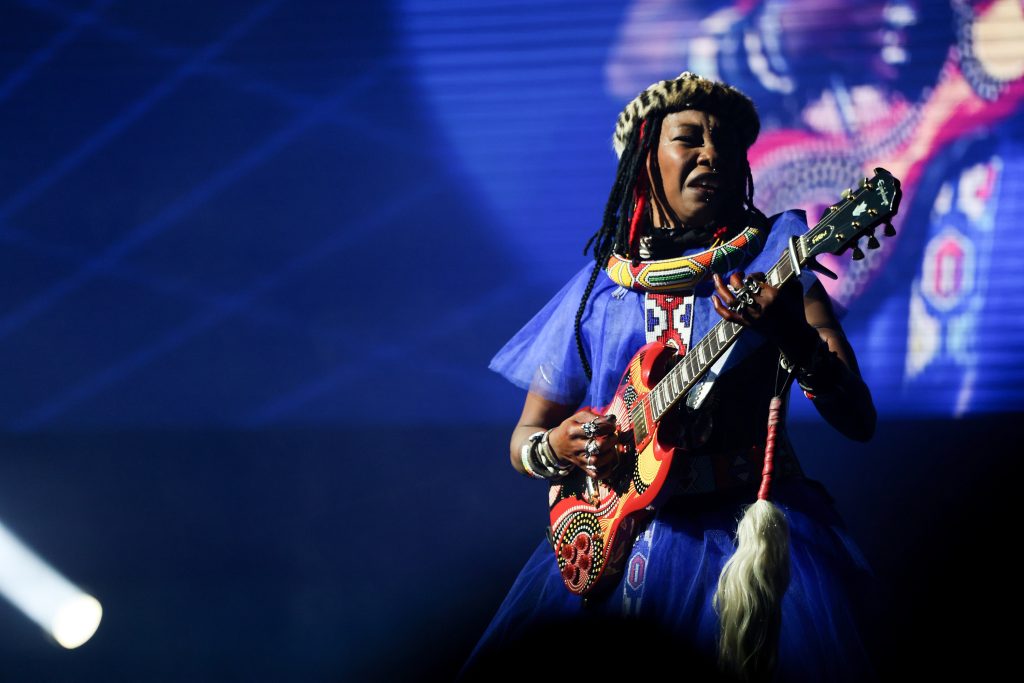
Another standout came from Fatoumata Diawara, who reminded us that live instrumentation does not need to exclude vocals in order to make the same argument. When she stepped onto the main stage in full traditional wear, guitar in hand, she carried such power in her presence that the room seemed to reorganise itself around her. There are performers who ask for attention, and there are performers who command it before they have even begun. Fatoumata belonged firmly to the latter category. Her set felt rooted, regal and deliberate. The guitar was not a prop or a visual accent. It was an extension of her authority onstage. In a weekend full of exceptional musicianship, hers was one of the clearest reminders that instrumentation can deepen presence rather than merely support it.
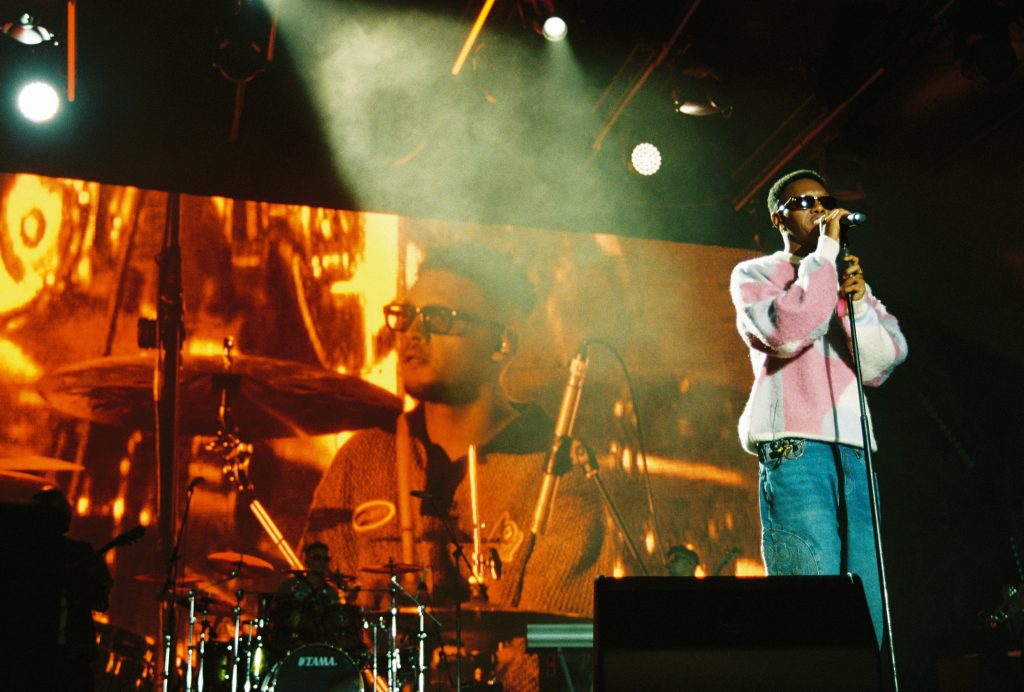
That same spirit ran through LUUKHANYO and The Hii ROLLERS. LUUKHANYO may sit mostly within hip-hop and R&B, but what made the performance hit was how fully the live band helped shape it. The Hii ROLLERS, his five-piece band, brought a jazz, funk and soul sensibility that gave the music real elasticity. The songs breathed because the band was doing more than accompanying them. They were building atmosphere, creating tension, and opening up moments that could only exist in a live setting. It was another reminder that the distinction between “vocal act” and “instrument-forward act” can often be far less rigid than lazy genre shorthand suggests.
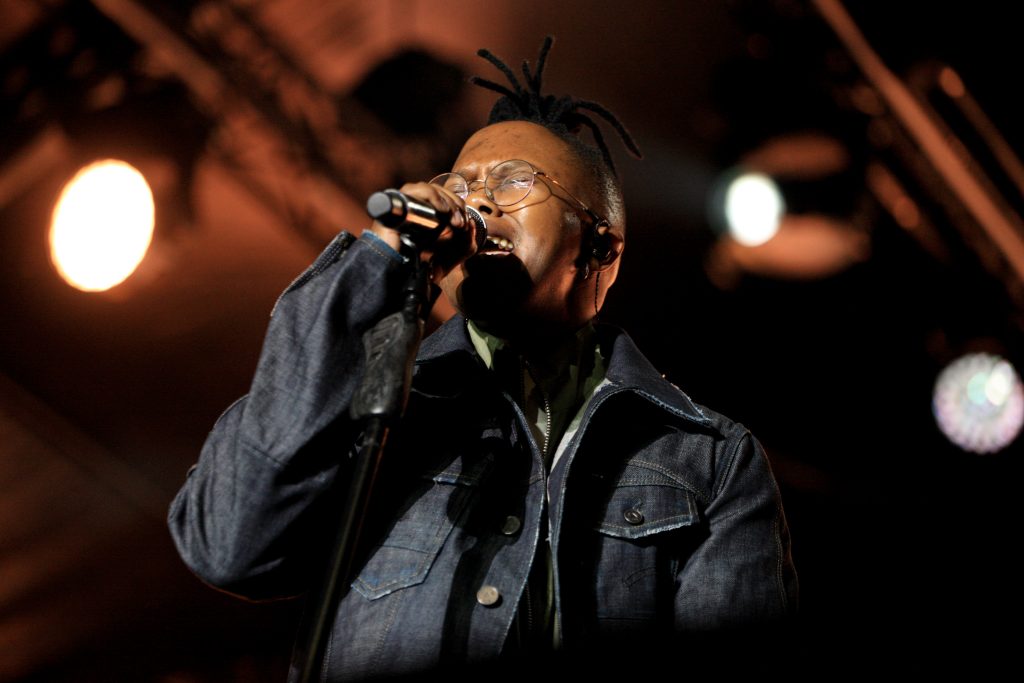
Then there was Manana on the Manenberg stage on Day 1, whose set became memorable for reasons nobody could have planned. It started raining mid-set, and still the majority of fans stayed where they were. They did not scatter. They did not retreat at the first inconvenience. They remained in it. As the performance took on an almost gospel quality, the whole thing began to feel less like a standard festival set and more like a spiritual moment people were choosing to share with one another in real time. That image lingers: a crowd in the rain, refusing to detach from the music, because the feeling in the room had become bigger than comfort.
That, ultimately, is what CTIJF 2026 offered. Not a simplistic rejection of technology, nor some reactionary plea to turn back the clock. What it offered was a reminder of what cannot be replicated when music is reduced to output and flattened into endless digital circulation. The festival showed, with great clarity, that people still want the human event of sound. They still want to watch artists think with their hands. They still want to be surprised by a groove, overtaken by a horn line, held inside a rhythm section, or silenced by a performer whose presence demands full attention.
In Cape Town, that truth still draws a crowd. At CTIJF 2026, it felt like the crowd’s loudest message of all.