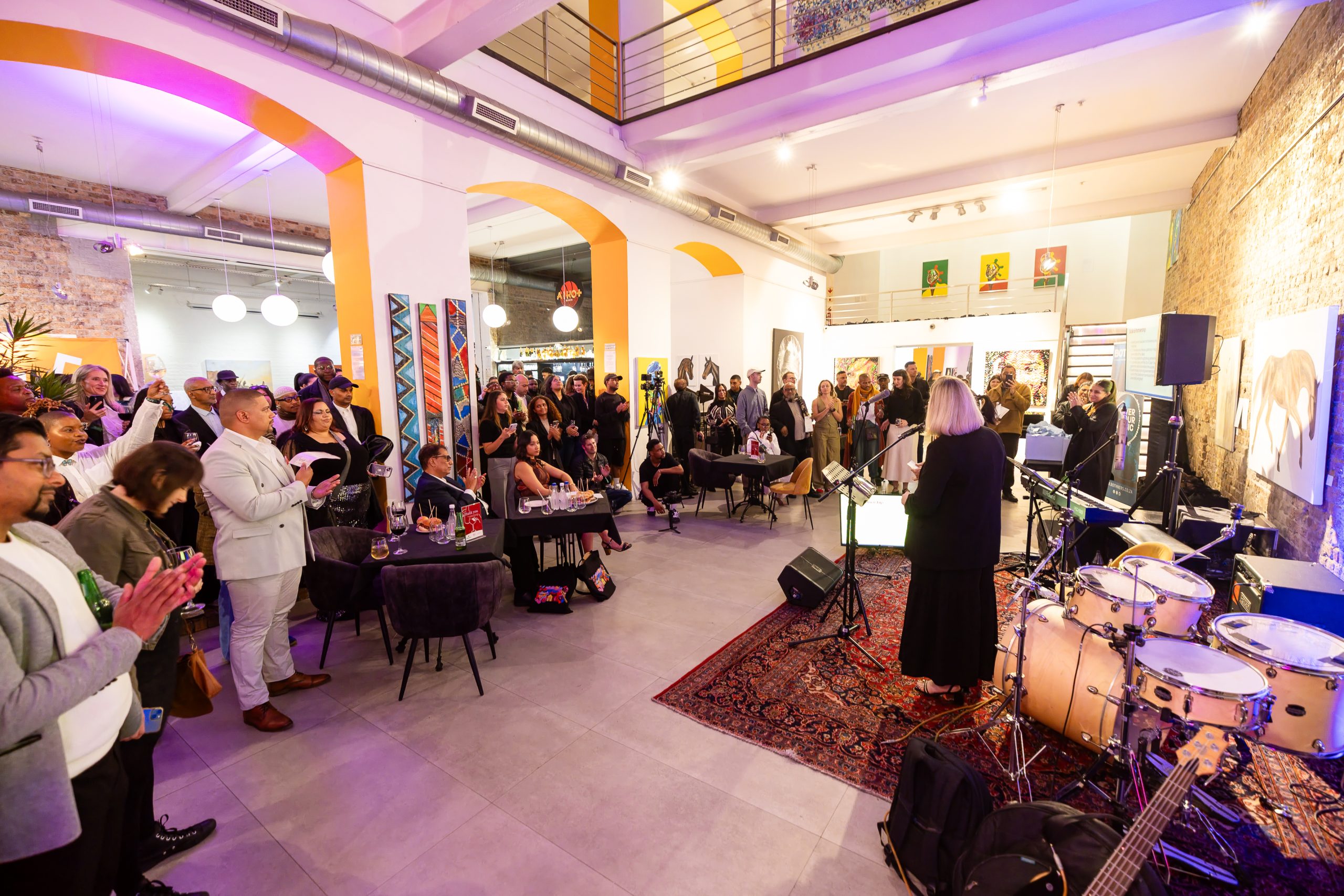
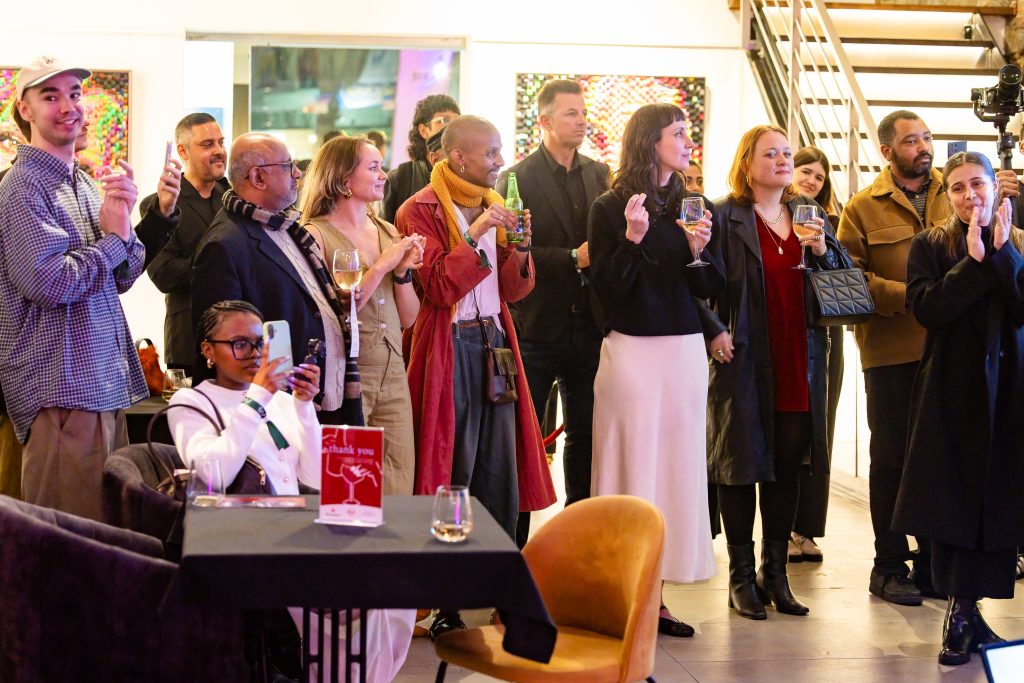
We were at Youngblood on the last Friday of June, in a room thick with familiar faces, when espAfrika set out what the Cape Town International Jazz Festival (CTIJF) becomes in 2027. Not a weekend. A month.
That deserves to sit there for a second. In place of the two-day flagship the city has known for more than two decades, March 2027 will carry two flagship weekends, three community concerts, a four-show national roadshow, five panel discussions, ten intimate performances, ten masterclasses, a run of local and international icons, and a CTIJF Jazz Orchestra threaded through the lot. Co-director Georgia Jones called it a rebirth. The scale is almost a dare.
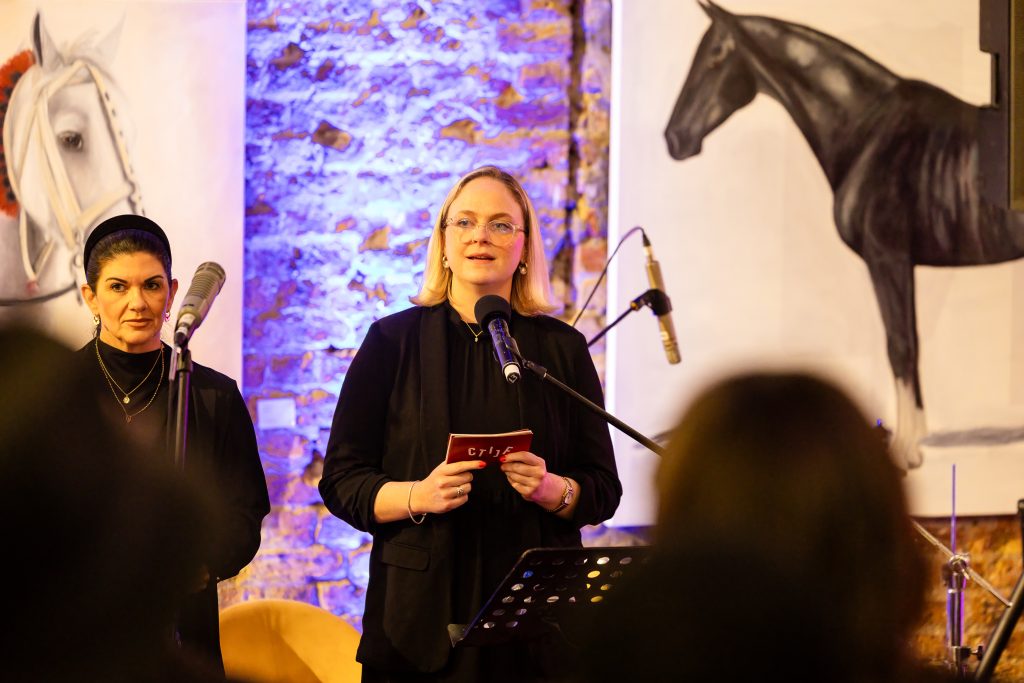
And in a city forever told its problem is a lack of infrastructure, that dare is the most useful thing on offer. It is, frankly, a ballsy move, and we think it is the right one. Jones and her team have decided not to wait for the venues, the funding models and the civic will to arrive before dreaming at full size. They have dreamt first. Now the rest of us, the city, the sponsors, the spaces, get to catch up to the ambition. That inversion is exactly why CTIJF has a claim to being the city’s festival.
The weekend was never the point
Back in March, we argued that CTIJF was growing into the city’s festival again, that the smartest thing espAfrika had done was stop treating the festival as a finish line and start keeping jazz present in the city’s bloodstream all year round. The month-long format is that idea made concrete, and it is worth checking whether the plan actually delivers on it.
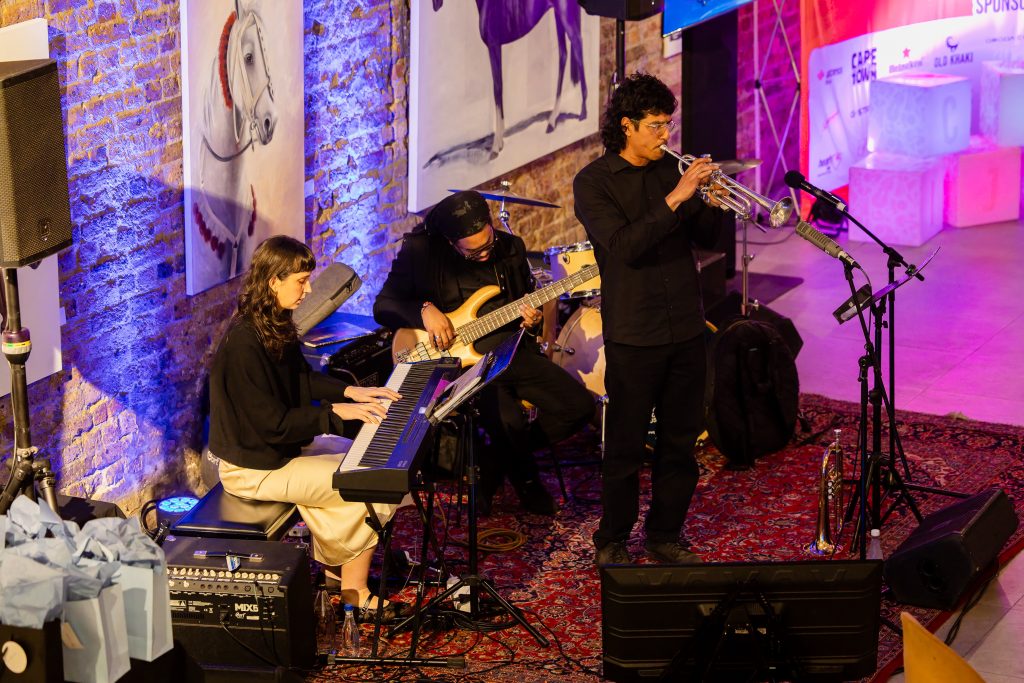
An ecosystem is not simply a bigger event. It is a value chain: somewhere to learn, somewhere to play, an audience to play to, and a route out to the rest of the country. Read the 2027 plan in that light and the shape makes sense. The masterclasses and panels are the development layer. The intimate performances and flagship weekends are the stage. The community concerts are the audience-building. And the roadshow is the export function this city has always lacked.
Where the intent actually shows
If you want to know whether a festival means it, look past the headliners to the parts that do not sell tickets. The three community concerts are the clearest signal here. Cape Town’s live scene is still sharply divided by geography and money, and free, well-produced shows aimed beyond the CTICC’s usual catchment are how you widen who thinks of jazz as theirs.
The month itself matters too. A weekend is an event you attend; a month is a season you live inside. And the development strand carries real weight, because ten masterclasses is not a token gesture. It is the point where a festival stops being a spectacle and starts being infrastructure.
The roadshow is the part that should excite anyone who has read our coverage of Cape Town’s missing music industry. For years the complaint has been that this city produces sound it cannot export, while Johannesburg and Lagos ship theirs to the world. Four national shows, Johannesburg and Durban confirmed, is a small but real answer to that.
The question worth asking
None of this is delivered yet, and we would be a poor read if we pretended otherwise. The honest question is a logistical one: how do you stretch a two-day festival, plus its existing lead-up events, into a full month of engagements without thinning the whole thing out? A month is many more rooms to fill, many more nights to fund, many more chances for the energy to sag. Funding will be a large part of that story, and we will return to it properly. For now the challenge is simpler to name than to meet: hold across four weeks the standard CTIJF has held across two days.
Carrying the weight forward
The 2027 festival arrives into a Cape jazz world that has just lost its towering figure. Abdullah Ibrahim, arguably one of the most influential musicians this city has ever produced and without argument the giant of Cape jazz, passed away in June.
Fittingly, the response has been collective. Flowers to the independent community members and musicians who pulled together the free Abdullah Ibrahim Memorial Concert at Artscape the Monday after the CTIJF launch, produced by Aki Khan, Sevi Spanoudi, Ramon Alexander, Basil Appollis, and supported by CTIJF. That a tribute of that stature came together, free and fast, from the scene itself tells you the appetite is real.
Which is the quiet confidence underneath all of this. Cape Town is not experimenting anymore. Between a festival team willing to dream past its own infrastructure and a community that shows up for its own, the city is building something meant to outlast the wristbands. We are glad and honoured to have been in the room to watch it begin.