The best Cape Town music events don’t just happen to you. Someone books the room, talks the venue round, pays the sound engineer and loses a week of sleep over a lineup nobody will thank them for. The DJ gets tagged and the venue gets the photos. The person who made the whole thing exist usually stays off the flyer.
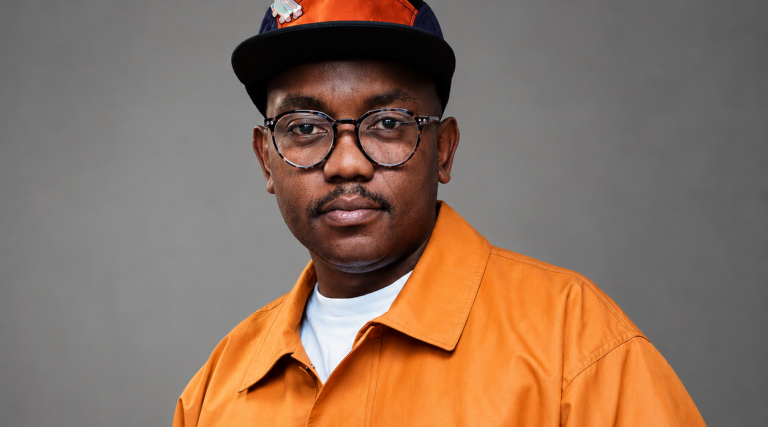
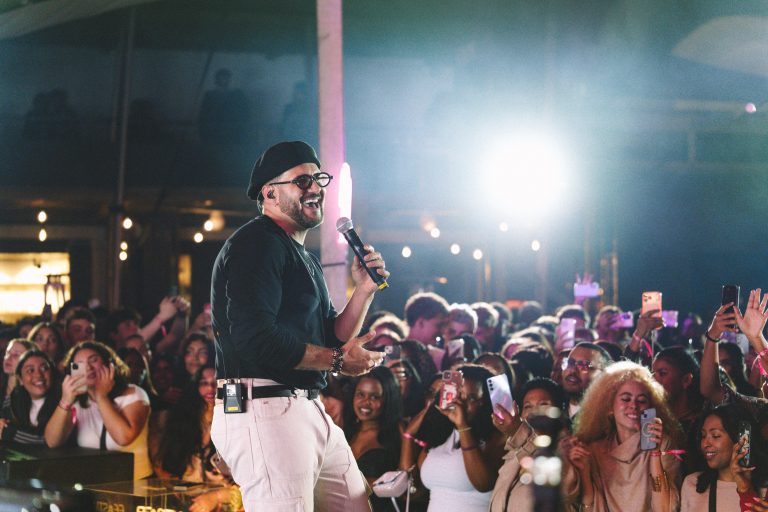
Most Cape Town DJs come up through club culture. Tshegofatso Kwele (DJ name Kwele) came up through a piano. Before the decks, before the residencies people build their names on, there were drum lessons and a guitar she taught herself, and years of reaching for whatever instrument was closest. That grounding is the thing that separates what she does now from the crowded field of emerging selectors.
We were at Youngblood on the last Friday of June, in a room thick with familiar faces, when espAfrika set out what the Cape Town International Jazz Festival (CTIJF) becomes in 2027. Not a weekend. A month.
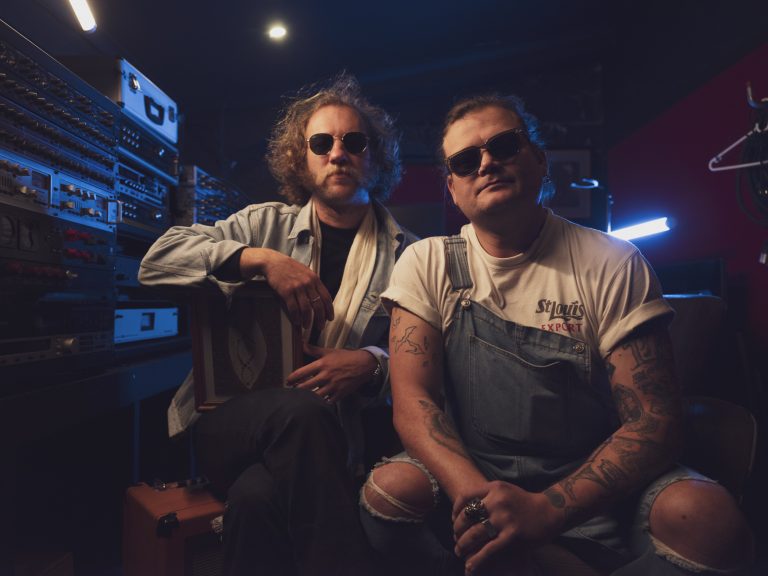
The Cape Town eight-piece built a devoted live following long before they released a note. Their debut single, recorded at Concept Records, is less a beginning than a record of everything that came before it.
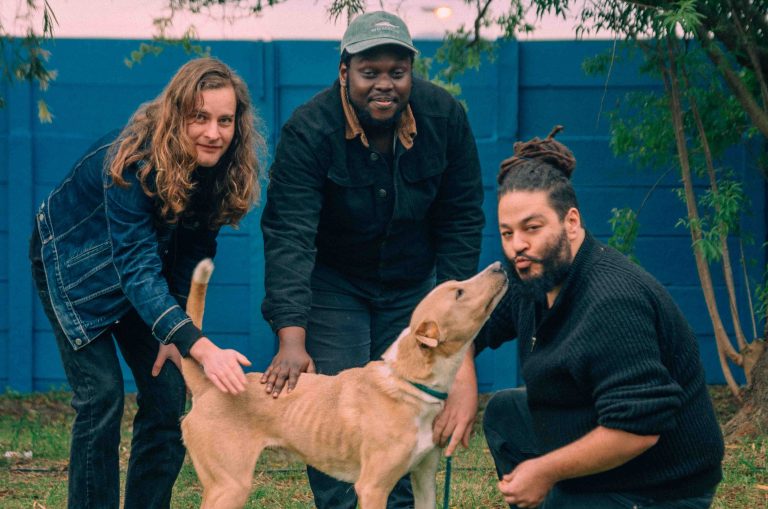
There is a way most emerging acts arrive: a single first, an audience hopefully after. Operation Khataza did it backwards. The Cape Town eight-piece—Sanele Blaai (founder and frontman, performing as uFarrah Khataza) on lead vocals, Jarryd “Chuckie” Alexander on bass, Vuyo Nkasawe on keys, Timothy Fortes on drums, Benji Anstey on lead guitar, Fabian Arries Selote on spoken word, and Lois Flandorp and Mariana “MANA” del Carmen on vocals—has for close to three years been a fixture of the city’s underground rooms: mosh pits, sing-alongs, a crowd that knows the words, without a proper studio release to point to.
When Olivia Rodrigo announced Daisy Chain Fields last week, an all-women festival in California with the proceeds going to women’s and girls’ charities, it got us thinking about home. Not whether we could copy it. Whether Cape Town has its own version waiting to happen.
Writing about VERVE Magazine turning two is strange in the best possible way. On paper, they are technically a competitor. They cover the same city, move through many of the same rooms, and care about many of the same artists. But Cape Town’s music scene is not exactly overrun with thoughtful, independent platforms doing the work properly. When another publication makes it two years in this space with genuine care, consistency and taste, the response should not be insecurity. It should be respect.
And VERVE has earned that.
Cape Town’s SIDEPIECE are a punk band with a sense of humour and something to say, and Faux Confidence is their first proper statement. It’s a title that tells you something about what you’re in for: sardonic, self-aware, and not particularly interested in taking the long way around.
There is a particular kind of advice that gets handed to emerging artists in Cape Town when a brand finally comes knocking. Soften the edges. Be easier to work with. Make yourself more palatable. It is well-meaning, and it is almost always wrong.
Cape Town doesn’t get a steady stream of international tours. It comes in waves.
A few quiet months. Then suddenly: a cluster. A venue locked in. A genre moment. A reminder that while the city is still figuring out how to sustain its own music economy, it can still pull serious global names when the system aligns.
Here’s every international artist currently confirmed for Cape Town across 2026 (and what each booking actually says about the city right now).
This piece is about a campaign, a document, and a growing movement that could meaningfully shift how live music works in Cape Town. It’s about who AHCOM are, what Our Conditions of Work sets out to do, why we’ve signed the petition — and why we think the rest of the scene should take it seriously too.