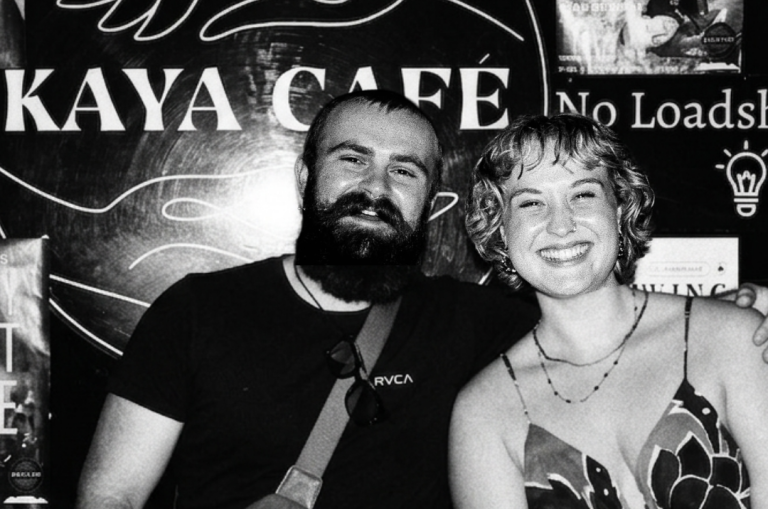
If you’ve spent any time in Cape Town’s live music circles over the past few years, you’ve probably ended up at 35 Loop Street. The KAYA Café — now operating as KAYA HQ — has quietly become one of the most consistent launchpads for emerging talent in the city. Not through hype or algorithmic positioning, but through something far less glamorous and far more valuable: showing up, night after night, with intentional lineups and a genuine respect for the artists on stage.
For all the scale and prestige that comes with the Cape Town International Jazz Festival (CTIJF), what stayed with us most this year was something more fundamental. It was the love in the room for live music played by actual people, in real time, on actual instruments. Not as nostalgia. Not as a niche concern. As something alive, urgent, and worth gathering for.
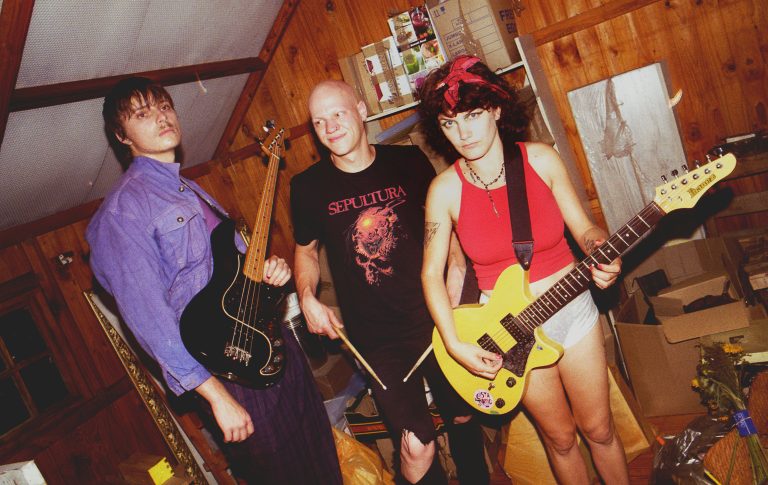
Cape Town’s music scene is usually discussed in fragments. The punk kids are over here. The jazz heads are somewhere else. Rap has its own rooms, its own circuits, its own gravity. DJs and bands only really interact after a band’s set. We talk about “the scene” as if it is singular, but most weekends it behaves like a loose federation of micro-scenes that only occasionally brush shoulders.
That is part of what makes Hey Hey Now Now interesting.
There’s a particular kind of artist Cape Town produces every few years. Not the loudest in the room. But the kind whose growth feels inevitable in hindsight — as if each stage was simply waiting for them to arrive.
For Jabulile Majola, 2026 is shaping up as that year.
Cape Town’s live circuit has always had a particular kind of magic: a city where the stage can feel like a laboratory, where the best players aren’t just “supporting” a headline — they’re quietly rewriting the night in real time. And right now, if you’ve been to the right show in the right room, there’s a strong chance the live engine you’re remembering wasn’t only the singer up front.
It was The Hii ROLLERS.
Cape Town loves to call itself a “creative city,” but the truth is harsher: creativity here often survives despite the system, not because of it. Too many brilliant young operators end up trapped in a loop of gig-to-gig survival — curating other people’s line-ups, building other people’s brands, making someone else’s vision feel inevitable. That’s why Thembalethu “Jose” Hadebe launching Juggernaut Entertainment matters more than a personal career milestone. It’s a case study in what South Africa’s culture economy actually needs right now: young creative entrepreneurs building passion-driven businesses with long-term intent.
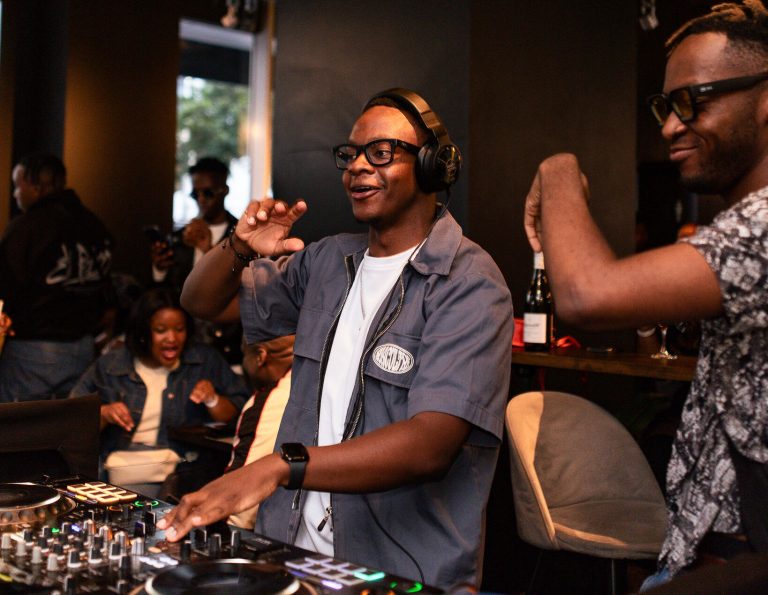
In a music economy increasingly shaped by experiences rather than recordings, the most valuable move an artist can make is no longer just releasing great work or landing prestigious bookings. It’s owning the room itself. In Cape Town, DJ and cultural operator Tashinga’s Winehouse offers a clear case study in what happens when an artist stops being a line item on someone else’s poster and starts building an asset that speaks directly to who they are.
There’s an immediate clarity to NANI?!‘s latest EP, Everyone’s Lookin’ At Me, before a single note is played. The artwork is striking and memorable, the kind of cover that feels intentional rather than decorative. It sets the tone well for what follows: an EP that’s energetic, messy by design, and more interested in feeling than finesse.
It starts quietly: a few artists pulling their catalogues, a few more muttering about payouts and principles. But lately, the volume has risen. From Cape Town to Copenhagen, the whisper of “maybe I should leave Spotify” has turned into a full-blown chorus.