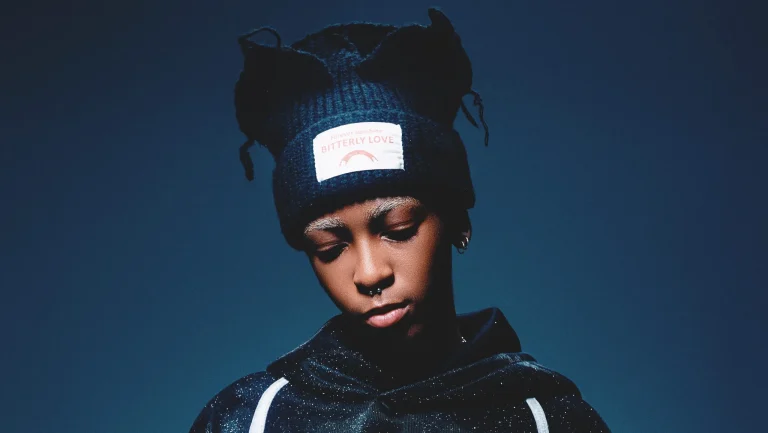
It was a simple question, but the answer sparked a storm. When DJ Speedsta asked Cape Town-born rapper K.Keed to freestyle live on his 5FM show, she refused with a calm but firm, “Let’s not do that.” Instead of letting the moment pass, Speedsta pressed her again — igniting a debate that has since spilled far beyond the studio walls.
The first thing I saw was a pink drink and a pile of scavenger hunt cards. Not the usual start to a Cape Town music launch, but Pretty Loud has no interest in doing things the usual way. On 7 August, co-founders Erin Elliot and Amy Tjasink — two women with the resumes and stage presence to back it up — introduced their new women-centred music collective with The Pyjama Party. Invite-only, unapologetically femme, and designed to feel like the sleepover of your dreams, it doubled as a statement of intent: the future of music in this city is collaborative, not competitive.
On a warm Cape Town afternoon, Lynn Cupido is somewhere between tending to her indoor plants and building worlds out of sound. The two might seem worlds apart, but for the 28-year-old singer-songwriter, model, and dancer, both are acts of care — both demand patience, intention, and an openness to growth.
When Nasty C announced the relaunch of Tall Racks as a digital platform for independent artists about a week ago, it landed with real momentum. The platform’s Instagram account has already amassed over 100,000 followers, proving significant interest — not just in the brand, but in the solution it’s promising.
On 9 August, The Dinner Club returns for its second edition, this time inside the M&M Music Academy in Sunningdale. Unlike its debut in 2024, this one isn’t just centred around the food. Built around a full live jazz programme, the event puts music front and centre — framed not as background entertainment but as a key part of the evening’s design.
The thing about slow-burn R&B is this: it can drift into background music fast. Pretty melodies, a moody beat, and suddenly you’re three tracks deep without remembering a thing. But “Kutheni” — a considered collaboration between Kila G and Stanley Branson — avoids that fate. It doesn’t shout for your attention. It just quietly takes hold.
Creativity thrives here, creative careers do not. Can we begin taking steps to build the music industry that Cape Town needs?
When Kristi Lowe first released a song into the world, she wasn’t thinking about airplay or playlists. She was fifteen, navigating an impossible family crisis, and music was a lifeline. Her debut single I Need More Time, written with her older sister Jenna and produced with local electronic heavyweights GoodLuck, was less of a career launch and more of a call to action — one that South Africans answered, sending the song up the iTunes charts in a matter of hours.
Last week, we laid it out for venues: if you can’t offer artists the bare minimum — working sound, working toilets, and a shred of hospitality — you’re not ready to host live music.
But this relationship goes both ways.
Cape Town’s scene only works when artists show up just as ready, equipped, and professional as the venues that host them. You want to be treated like a pro? Then act like one.