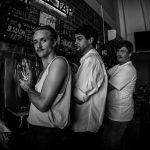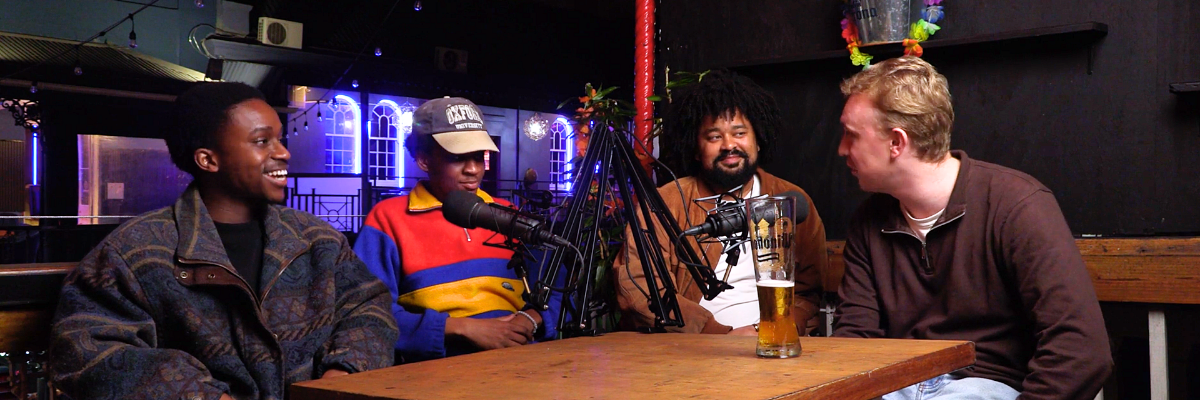
Writing about VERVE Magazine turning two is strange in the best possible way. On paper, they are technically a competitor. They cover the same city, move through many of the same rooms, and care about many of the same artists. But Cape Town’s music scene is not exactly overrun with thoughtful, independent platforms doing the work properly. When another publication makes it two years in this space with genuine care, consistency and taste, the response should not be insecurity. It should be respect.
And VERVE has earned that.
As the publication celebrates two years, the milestone feels worth paying attention to because two years is not a small thing in this space. Local media projects launch with energy all the time. Many burn out once the admin gets heavy, the money stays thin, and the romantic idea of “supporting the scene” runs into the reality of doing unpaid, time-consuming work week after week. VERVE have kept going. More importantly, they have kept listening.
Founded by Ntsika Novoyi, Jeriah Fredericks and Vuyo Polson, VERVE has built its identity around a simple but powerful idea: being “a voice for the voices.” That phrase can sound neat from the outside, but in their case it actually describes the work. Their website frames VERVE as a platform built to expose the talents that reside in South Africa, with an emphasis on amplifying anyone with a voice. In conversation, that same intention comes through less like branding and more like an internal compass.
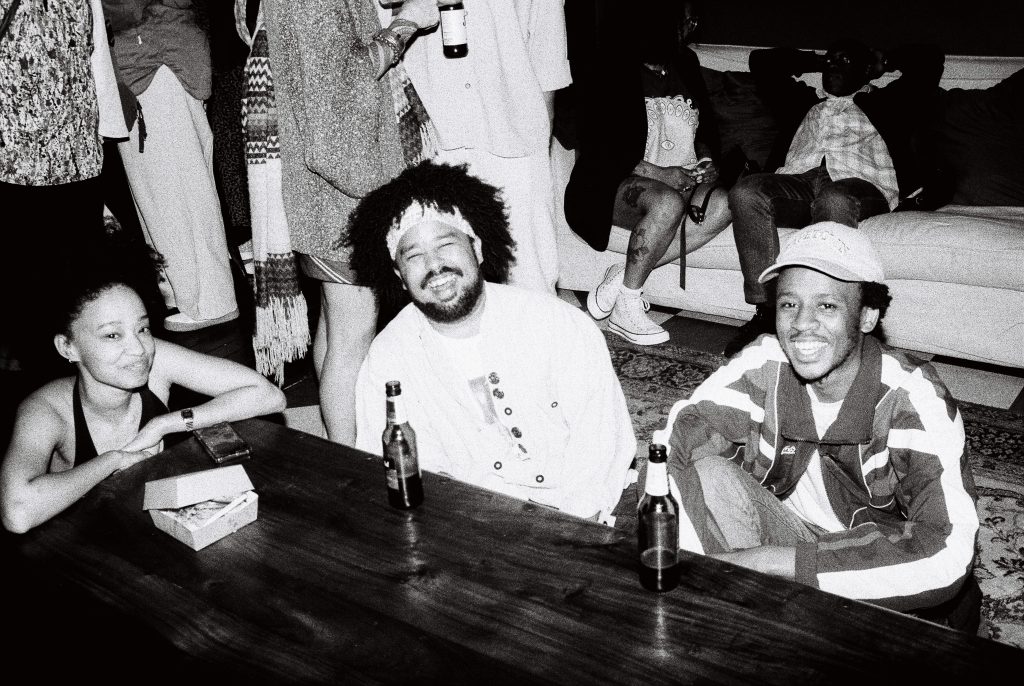
Jeriah traces the early formation of the platform back to long conversations with Ntsika, before the publication had fully taken shape. The question, as he remembers it, was not just what they were making, but why it should exist at all. “What are we doing? What’s the identity of what we’re doing?” That question seems to have stayed with them. Even when things have become difficult, he says they return to the same answer: “what we are is just the voice for the voices.”
That matters because Cape Town does not only need more coverage. It needs more people paying attention in the right places. VERVE’s strength has always been how deep they are willing to go, especially through their music roundups. Anyone can write about the obvious names. Far fewer people have the patience to dig through new releases, submissions, underground pockets, genre corners and artists still early enough in their careers to be missed by almost everyone else.
That part of the work is where Ntsika’s ear becomes central. He speaks about falling further and further into underground music after growing up on mainstream South African hip-hop, following features, checking catalogues, and discovering “a whole new world” of artists he felt were too good to be ignored. “If I see an artist that is like super underground, I get so excited,” he says. That excitement shows in the work. VERVE’s roundups feel less like obligation and more like someone trying to pull the rest of us toward what they have found.
Then there is the visual layer. Vuyo’s presence did not arrive as a cold strategic hire. It happened in the way a lot of the best Cape Town cultural things happen: through rooms, mutuals, events, proximity and instinct. Jeriah remembers Vuyo being around early, taking the first photo they posted, showing up to events, and eventually joining an interview so naturally that it became obvious. “This guy is VERVE,” he says. That is the kind of addition you cannot manufacture. It is chemistry becoming structure.
Vuyo’s photography has helped give VERVE a stronger physical presence. The platform does not only read like people listening from home; it feels like people who are actually outside. At shows, in rooms, near the artists, near the audience, watching the small details that make a scene feel alive. That visual sensibility has helped VERVE become more than a site with articles. It has become a record of who was there, what it felt like, and which corners of the city are worth remembering.
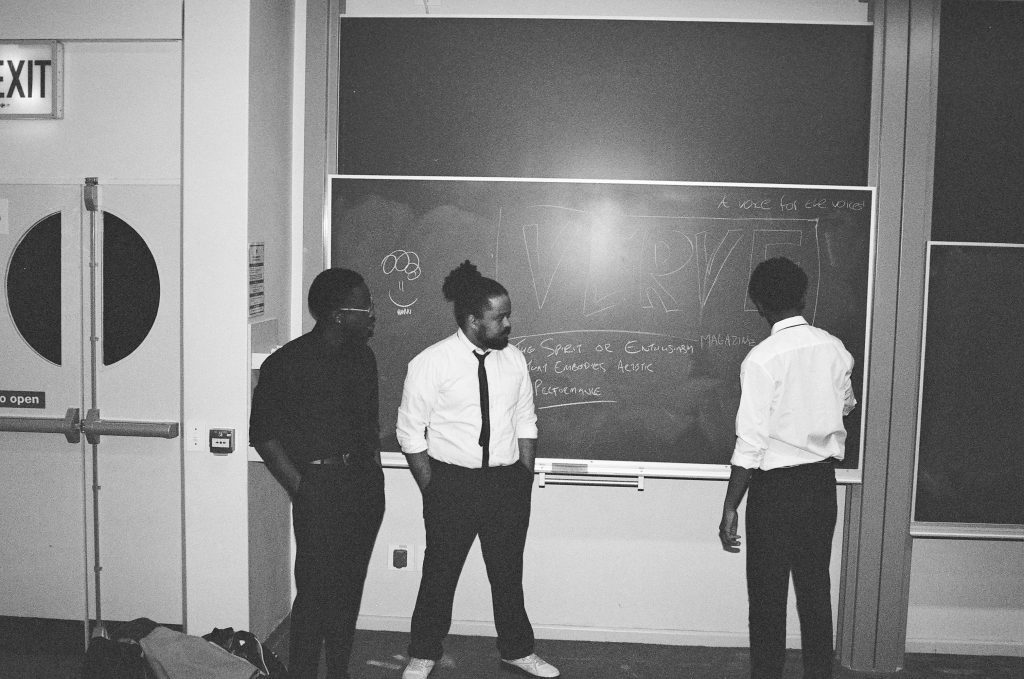
For us, that is why their two-year mark feels important. VERVE is not valuable because they are perfect, or because they have everything figured out, or because they occupy some polished media pedestal. They are valuable because they are doing the work while still close enough to the ground to understand why it matters. They care about discovery. They care about artists who are still becoming. They care about the underground without treating it as aesthetic currency.
Cape Town needs more of that, not less. More platforms with ears open. More writers and photographers willing to show up before something is obvious. More cultural workers documenting the scene from inside it, with enough honesty to be useful and enough love to keep going.
So from one independent Cape Town music publication to another: happy two years, VERVE. We see the work. We respect the work. And we hope we get to keep building alongside you, as peers and friends, for many years to come.