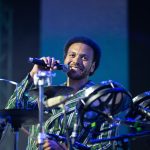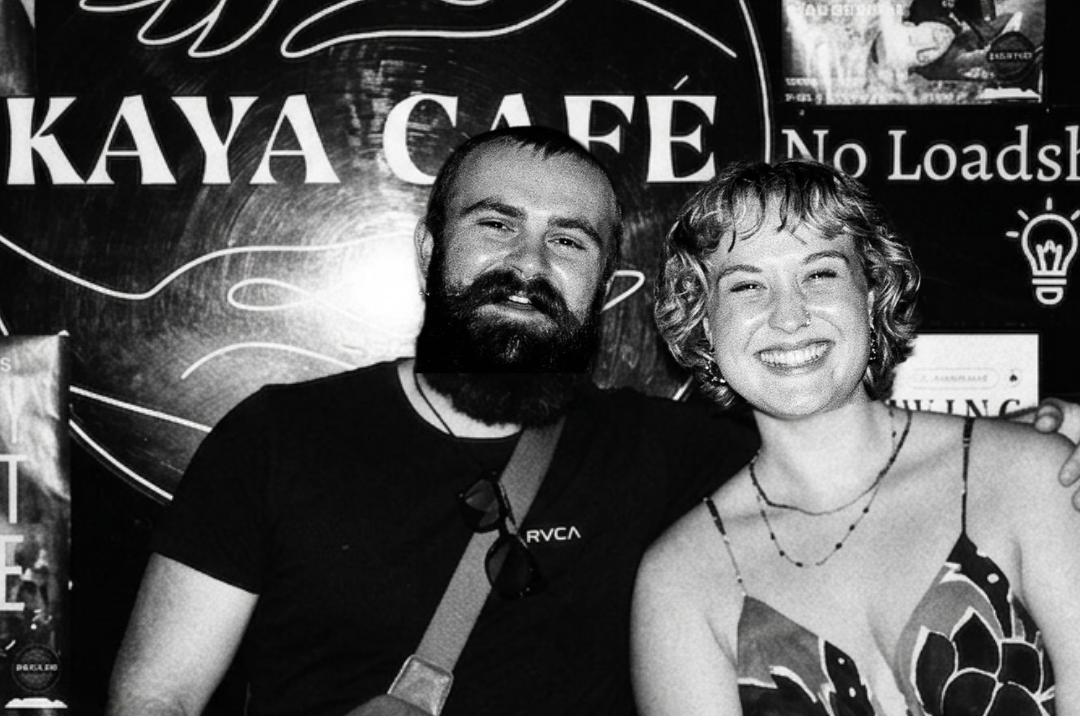
If you’ve spent any time in Cape Town’s live music circles over the past few years, you’ve probably ended up at 35 Loop Street. The KAYA Café — now operating as KAYA HQ — has quietly become one of the most consistent launchpads for emerging talent in the city. Not through hype or algorithmic positioning, but through something far less glamorous and far more valuable: showing up, night after night, with intentional lineups and a genuine respect for the artists on stage.
That track record is why what comes next matters.
From Loop Street to Long Street and beyond
The team behind KAYA, led by events director Brad Farrell and brand director Gina Alpert, is formally expanding beyond their Loop Street home under the banner of Curated by KAYA — and their first external venture, Long Live, launches at Sergeant Pepper on 30 April.
The concept is a monthly live-music residency designed to sit somewhere between a concert and a party. If that sounds simple, it’s because the best ideas usually are. But the infrastructure behind it is anything but casual. Curated by KAYA is offering venues, performers, and promoters a full holistic event system, from curation and administration to sound, staging, and content production. That last piece runs through DUSK Studios, which shares the same core leadership in Brad and Gina and operates as the media and production wing of the same operation. Between the KAYA team and DUSK, the result is a single ecosystem that handles everything from lineup curation to post-event content. It’s the kind of professional scaffolding that Cape Town’s grassroots scene has long needed and rarely received.
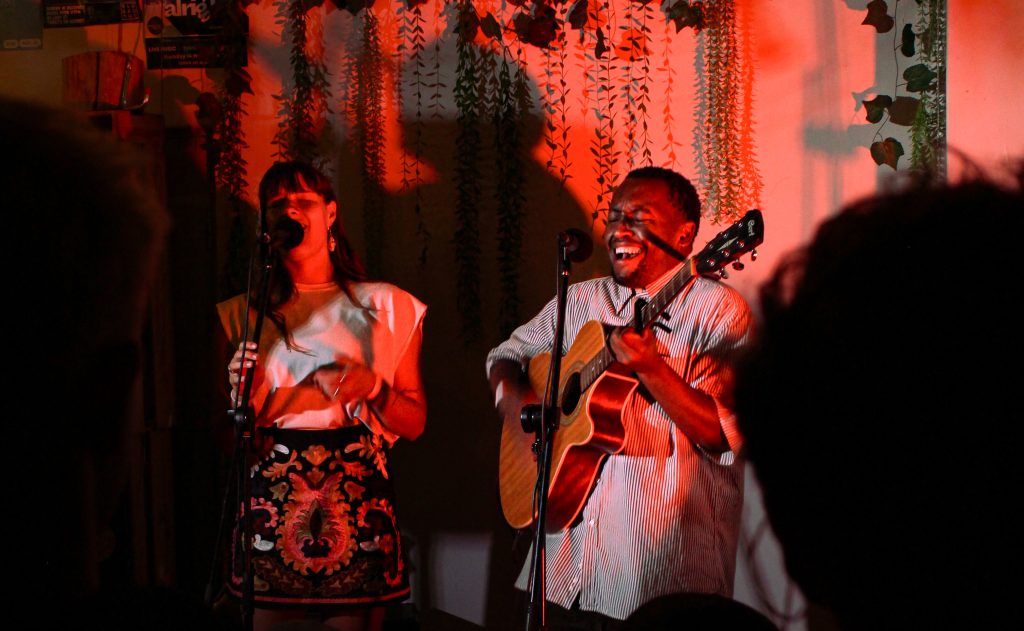
The scaffolding the scene has been missing
We’ve written before about the structural gaps in this city’s music ecosystem — the venues that close faster than they open, the talent that leaves because there’s no local infrastructure to catch them at the right moment, the disconnect between artistic richness and career sustainability. What Curated by KAYA represents is a direct, practical response to several of those gaps. Not a policy paper. Not a panel discussion. A team that has already done the work at their own venue, refined their processes, and is now offering that system to others.
Their roster tells the story. Artists like Will Linley, Anica Kiana, Hanna, Jabulile Majola, giuliette price, LUUKHANYO and The Hii ROLLERS, Alex Biaya, Kila G, Tessi Nandi, Teagan and many more have all worked with the team in some form — whether through live events, The CAYACast podcast, or content production — many of them early in their trajectories. The team has also worked alongside Up the Creek festival, proving that grassroots energy can scale to bigger stages without losing its identity.
Built different, on purpose
What excites us most about Long Live is the philosophy underneath the production. A shared revenue model with transparent ticket splits. A commitment to directing a percentage of sponsorship value back to performing artists. Diverse lineups rotating through promoters and audiences. These are not radical ideas, but in a city where so many events still operate on handshake deals and hope, formalising them is an act of care.
“The problem has never been talent,” Gina has said. “This country is exploding with creative capacity.” The mission, as she frames it, is about channelling that capacity into sustainable careers, and giving audiences the kind of experience that reminds them why live music demands their presence, not just their playlist.
Cape Town doesn’t need more events. It needs more events built like this, with systems that protect artists, elevate production, and treat the audience as participants in something worth preserving.
Long Live feels like the start of exactly that.